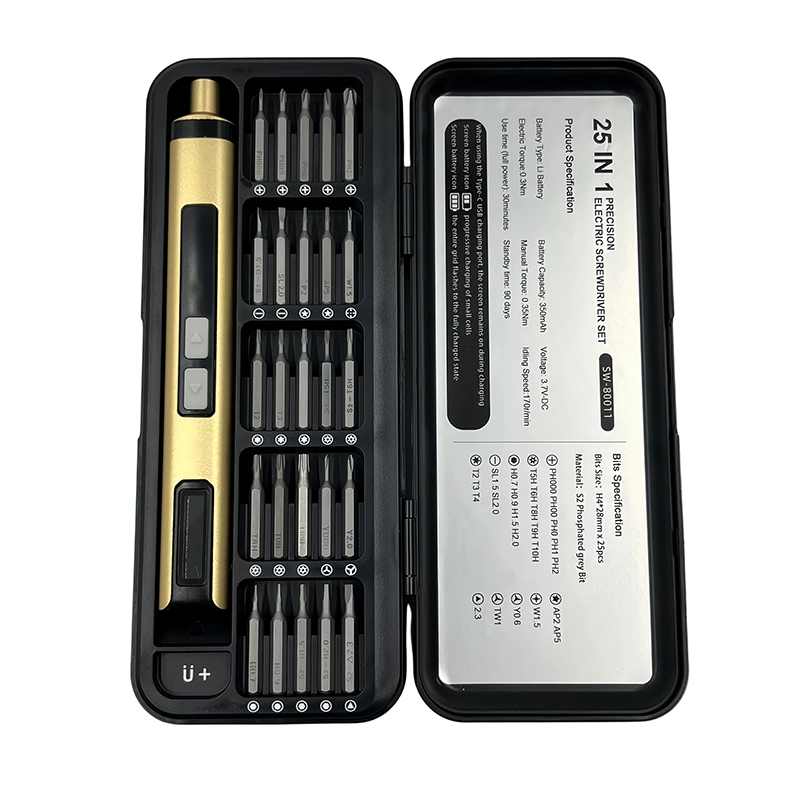
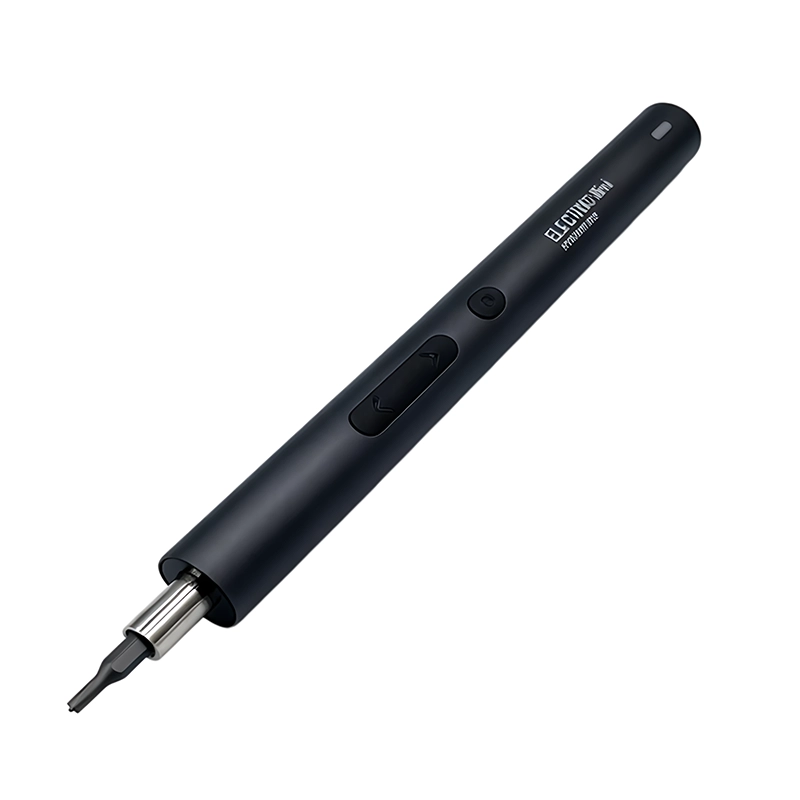
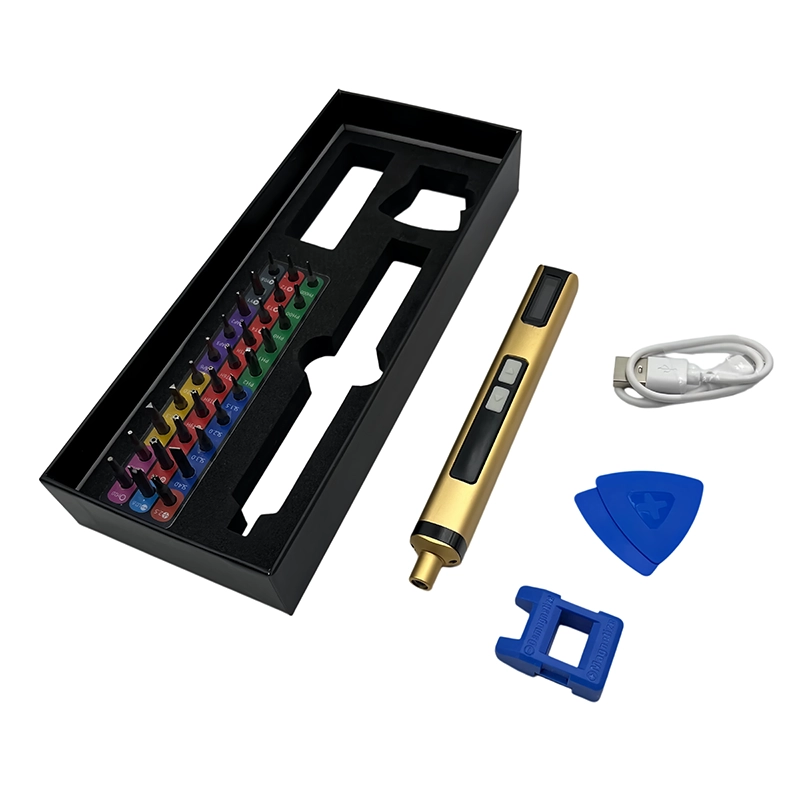
Electric screwdriver
Screwdriver Bit Manufacturing Process: 7 Critical Steps That Determine Bit Quality And Lifespan
Learn how the screwdriver bit manufacturing process affects hardness, durability, and performance. Discover the 7 critical steps OEM buyers use to evaluate bit quality.
Published 2026-06-06 · Reviewed by the ToolQeen product and quality team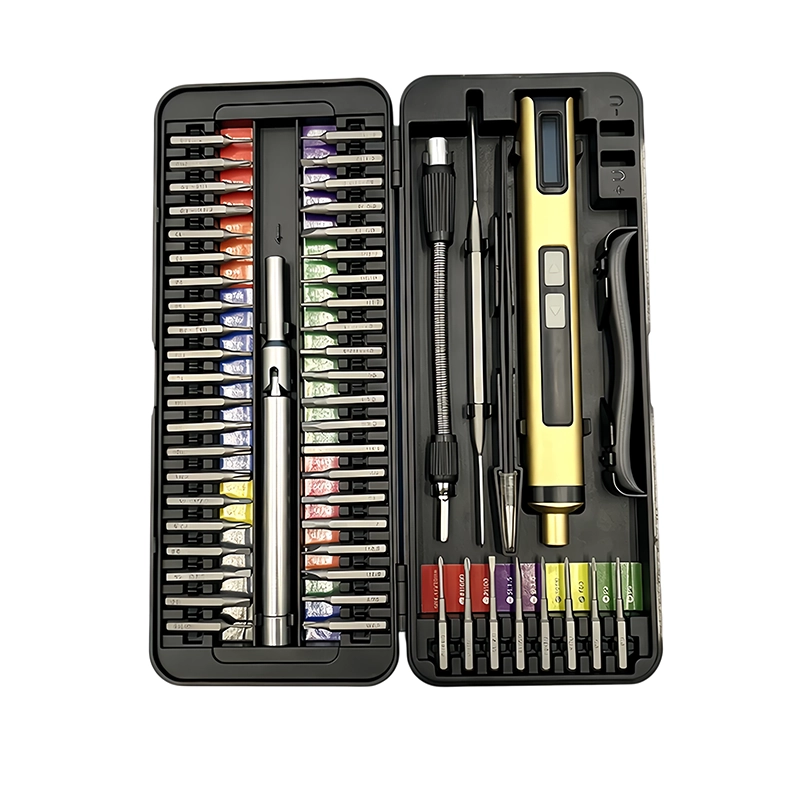
Quick Answer
The screwdriver bit manufacturing process includes material selection, cold forming, CNC machining, heat treatment, surface finishing, hardness testing, and final quality inspection. These steps directly affect durability, torque transfer, wear resistance, and product lifespan. Why The Manufacturing Process Matters Many buyers focus on appearance when evaluating screwdriver bits. However, experienced OEM buyers understand that the manufacturing process determines actual performance.
Poor manufacturing can lead to: Bit deformation Premature wear Screw slippage Customer complaints Higher warranty costs For professional tool kits, manufacturing quality is often more important than price. What Materials Are Used In Professional Screwdriver Bits? The most common materials include: S2 Steel Widely used in premium screwdriver bits because of: Higher hardness Better wear resistance Longer service life Typical hardness: 58–62 HRC CRV Steel Often used in entry-level tool kits because of: Lower manufacturing cost Good toughness Typical hardness: 52–56 HRC For OEM and professional applications, S2 steel is generally preferred.
Step 1: Material Selection The process begins with raw material inspection. Manufacturers verify: Chemical composition Material consistency Surface quality Poor materials cannot be corrected later in production. Step 2: Cold Forming Process Steel rods are formed into the basic bit shape. This process affects: Dimensional accuracy Structural strength Production efficiency Precision forming reduces future machining requirements.
Step 3: CNC Machining Critical bit profiles are machined to precise tolerances. Examples: Phillips Torx Hex Pentalobe Accurate machining improves screw engagement and torque transfer. Step 4: Heat Treatment Process Heat treatment is one of the most important stages. Benefits include: Increased hardness Improved wear resistance Better durability Poor heat treatment often causes premature bit failure. Step 5: Surface Finishing Common finishes include: Sandblasting Nickel plating Phosphate coating Benefits: Corrosion resistance Improved appearance Better surface consistency Step 6: Hardness Testing Professional manufacturers verify hardness using specialized equipment.
Typical target: 58–62 HRC This helps ensure consistent durability across production batches. Step 7: Final Quality Inspection Before packaging, manufacturers inspect: Dimensions Hardness Surface finish Fit accuracy Only approved products proceed to shipment. Factory Insight At ToolQeen, every batch of S2 screwdriver bits undergoes hardness verification and dimensional inspection before assembly into tool kits. This process helps ensure stable performance across OEM and wholesale projects.
S2 Steel VS CRV Steel Property S2 Steel CRV Steel Hardness 58–62 HRC 52–56 HRC Wear Resistance Excellent Good Service Life Longer Shorter Professional Use Recommended Limited Cost Higher Lower Quality Control Process Professional screwdriver bit quality control typically includes: Raw Material Inspection Dimensional Verification Heat Treatment Monitoring Hardness Testing Surface Inspection Final Product Audit Real Manufacturing Data Metric Industry Average ToolQeen Standard Yield Rate 95% 98.5% Rework Rate 4.2% 1.1% Hardness Consistency Medium High Product Consistency Medium High Real Customer Case A European repair tool distributor experienced frequent customer complaints regarding bit wear.
After switching from standard CRV bits to professionally manufactured S2 steel bits, the distributor achieved: Lower replacement rates Improved customer reviews Better product durability Increased repeat orders Application Scenarios Suitable for: OEM tool kits Electric screwdrivers Electronics repair Industrial maintenance Professional technicians Precision repair tools Industry Standards And References Professional screwdriver bit manufacturing often aligns with: ISO 9001 Quality Management Systems ASTM Material Standards RoHS Requirements CE Compliance Standards FAQ Why is heat treatment important for screwdriver bits?
Heat treatment improves hardness, durability, and wear resistance. What hardness should professional S2 bits have? Most professional S2 bits range from 58–62 HRC. Are S2 bits better than CRV bits? For professional applications, S2 bits generally provide better performance and longer service life. How do manufacturers test bit hardness? Most factories use Rockwell hardness testing equipment. Why do screwdriver bits wear out?
Common causes include poor materials, inadequate heat treatment, and excessive torque. How do OEM buyers evaluate bit quality? They typically review hardness reports, material specifications, and quality control procedures. Can ToolQeen customize screwdriver bits? Yes. ToolQeen supports OEM and private label screwdriver bit projects. What industries use S2 screwdriver bits? Electronics repair, industrial assembly, maintenance, and professional tool manufacturing.
Request A Quote Looking for a reliable screwdriver bit manufacturer or OEM partner? Contact ToolQeen to discuss S2 steel bits, private label projects, and factory-direct manufacturing solutions. About ToolQeen ToolQeen specializes in electric screwdrivers, screwdriver bits, rotary tools, repair tool kits, and OEM/ODM manufacturing solutions for distributors and private label brands worldwide. Explore Our Products https://www.toolqeen.com/products Learn More About ToolQeen https://www.toolqeen.com/about-us Reviewed By ToolQeen Engineering Team This article was reviewed by the ToolQeen Engineering Team, with extensive experience in screwdriver bit manufacturing, heat treatment, quality control, and OEM tool production.
Technical review
Checked against current ToolQeen product and factory materials.
Use this guide to prepare better sourcing questions. Confirm final specifications, quantities, documents and lead times for the selected model and market.
Related product platforms