Buyer guides
Ratchet, Fixed or Electric Screwdriver: Compare the Task
Compare ratchet, fixed-handle and electric screwdrivers by access, screw engagement, operating control and sample-test results.
ToolQeen · Updated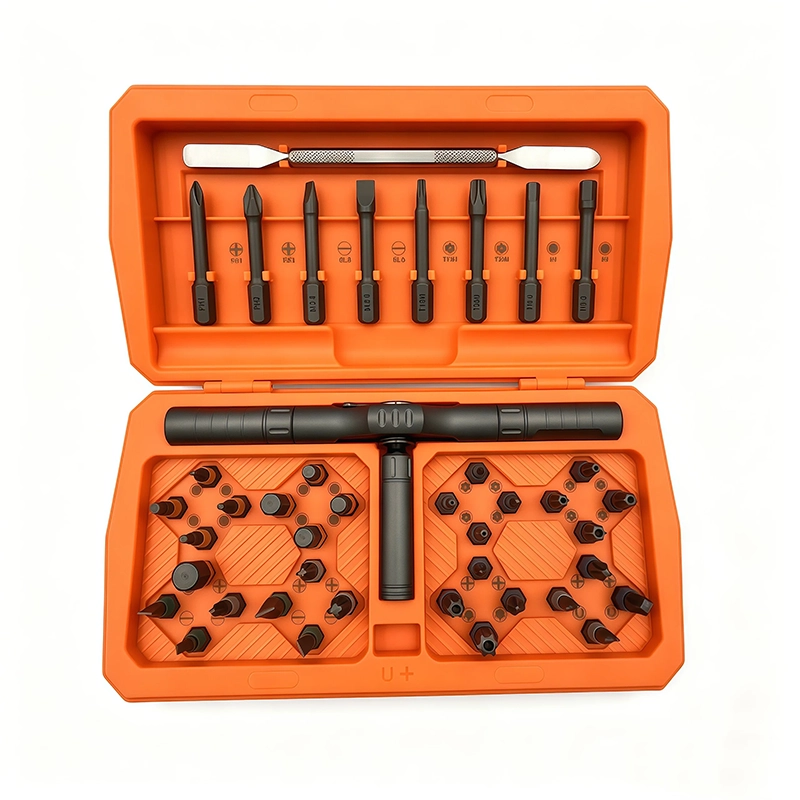
Compare the movement each task permits
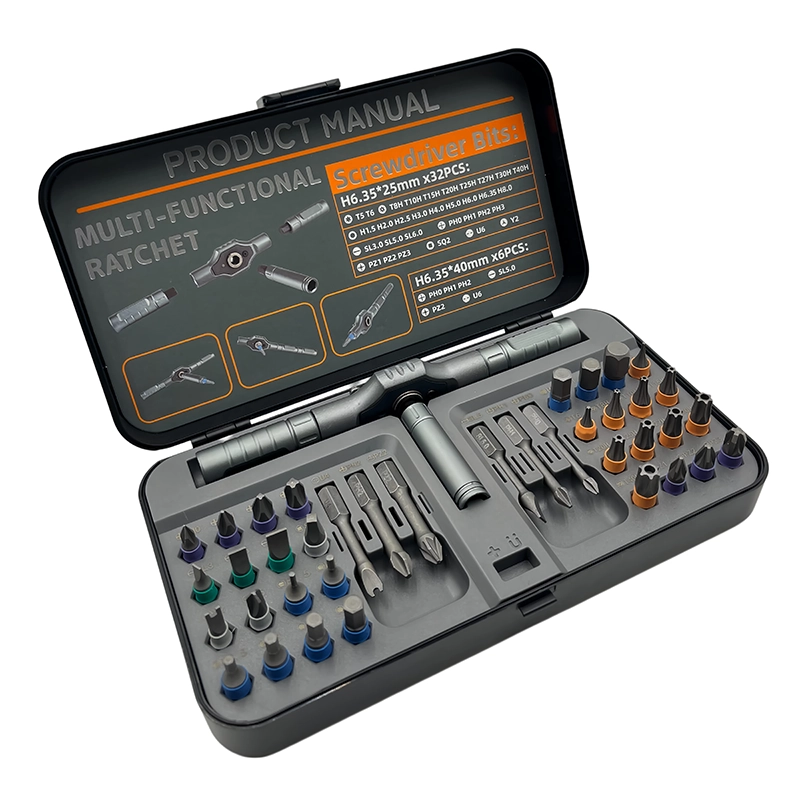
A ratchet allows a return stroke without repeatedly removing the bit from the screw. Whether that helps depends on the available handle movement and the mechanism's engagement in the actual task. A fixed screwdriver has a direct manual drive, while an electric model powers rotation. Start the comparison with the same fastener and access geometry rather than assuming one mechanism is best for every repair.
Check access before counting features
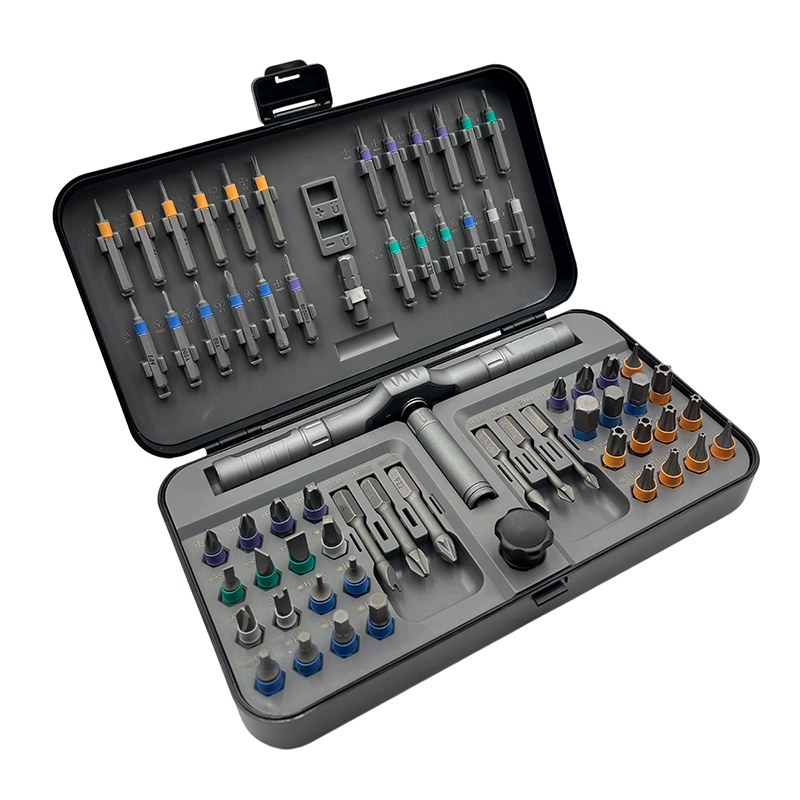
Measure the space for the handle, shaft and bit holder. A compact head may help in one enclosure while a longer bit is needed in another. Ask for the ratchet's documented return angle and verify useful engagement within the available movement. Also check the direction selector, any fixed position and bit retention. These features are model-specific; a photograph or the word 'ratchet' does not define them.
Run a fair handling comparison
Use the same compatible bit and a representative workpiece for each tool. Record access problems, unwanted direction changes, bit disengagement and the operator's ability to start the thread. If measuring completion time, define the start and finish conditions and repeat the task. Keep observed results separate from supplier ratings. A smooth-feeling mechanism does not by itself establish maximum load or long-term durability.
Select by operating limits
Consider a fixed driver for simple direct manual control, a ratchet where repeated hand repositioning is inconvenient, and an electric driver where powered rotation suits the operation. Verify each model's actual limits and any required final tightening method. ToolQeen's ratchet and manual product pages let buyers compare kit configurations; request dimensional information and samples when the work area is restricted.
Does a ratchet screwdriver control tightening torque?
A ratchet mechanism alone does not establish torque control. If the assembly needs a defined tightening value, specify and verify a suitable torque-control method separately.
Is a smaller return angle always decisive?
It matters when the available movement is restricted, but head size, access length, retention and selector handling also affect whether the tool works in that space.
Related models and buying questions
Technical review
Checked against current ToolQeen product and factory materials.
Use this guide to prepare better sourcing questions. Confirm final specifications, quantities, documents and lead times for the selected model and market.
Related product platforms