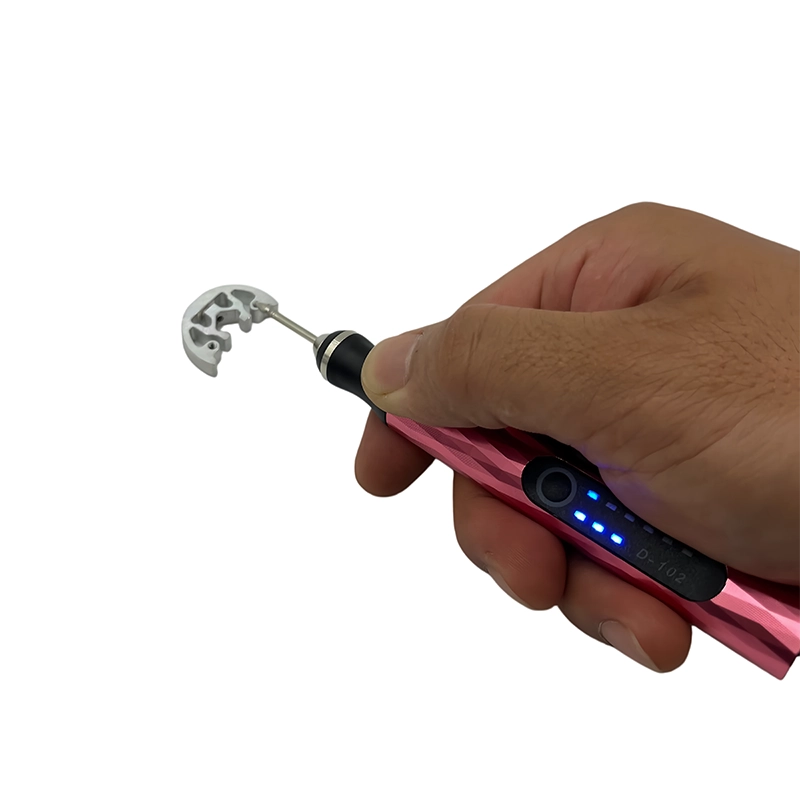
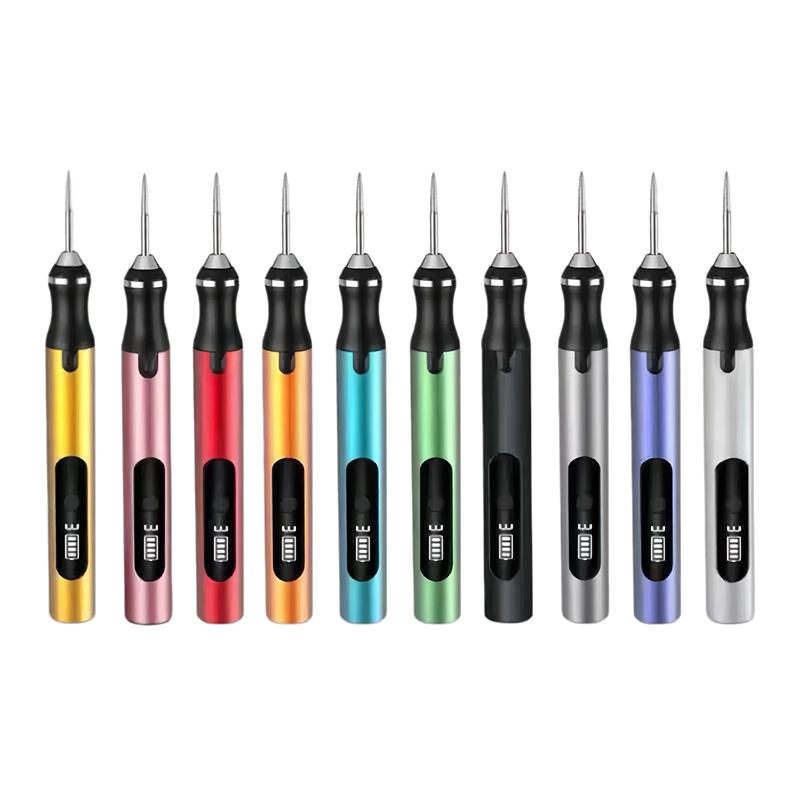
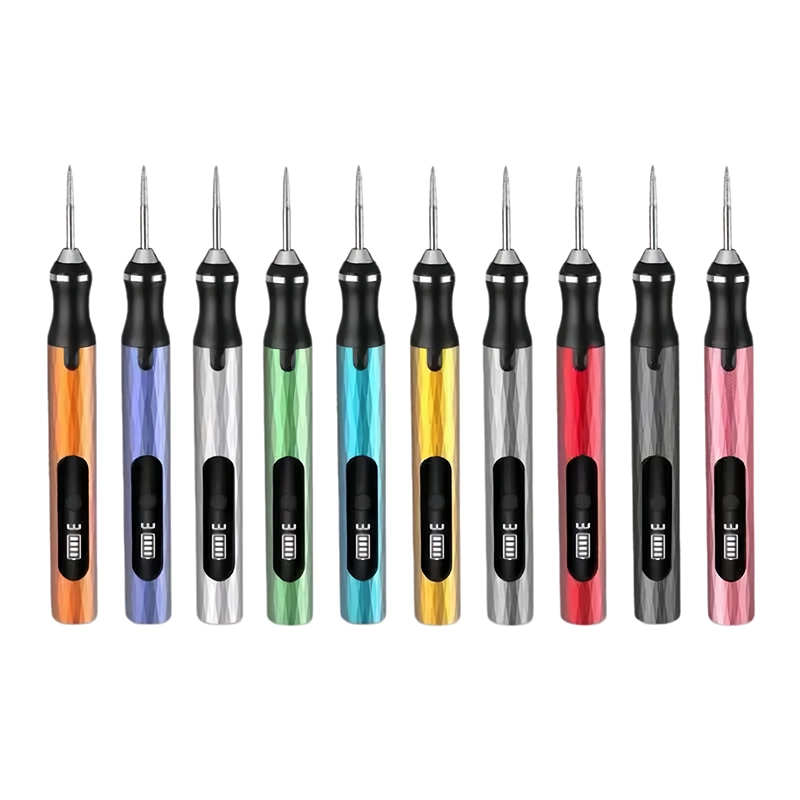
Electric Rotary Tool
Private Label Electric Rotary Tool Kit: How US Sellers Build Higher-Conversion Repair Tool Bundles
Need a private label electric rotary tool kit? US sellers can improve conversion by checking accessories, packaging, QC, OEM branding, and repair use cases.
Published 2026-07-03 · Reviewed by the ToolQeen product and quality team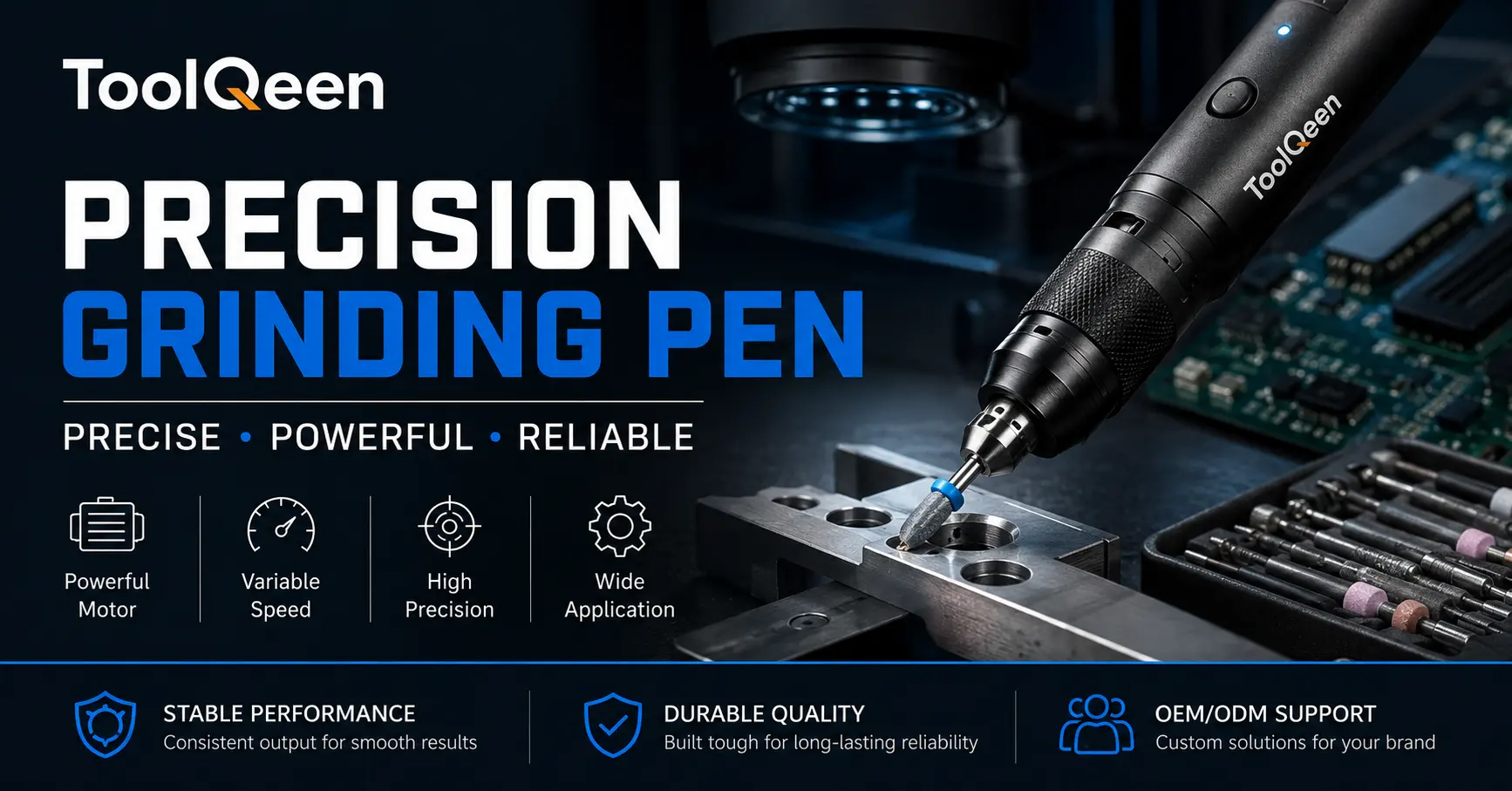
US e-commerce sellers often chase a larger accessory count because it looks good in a listing image. The problem is that customers judge the kit after using it, not after counting the pieces. If the tool vibrates, the accessories feel weak, or the packaging does not explain the use case, reviews suffer. A private label electric rotary tool kit should be built for clear applications, repeatable quality, and a product story that customers understand quickly.
ToolQeen supports private-label buyers, repair tool distributors, and e-commerce sellers with compact rotary tools, precision repair kits, OEM packaging, and export-ready production. We help buyers connect product configuration with the actual sales channel: Amazon, independent stores, repair shop supply, tool bundles, and promotional kits.
Quick Answer
A private label electric rotary tool kit should include a controlled pen-style tool, accessories matched to real repair or finishing work, clear packaging, QC checks, and OEM-ready branding. US sellers should avoid building the kit only around accessory quantity because conversion and reviews depend on usability.
Why Conversion Drops After the First Bad Reviews
A compact rotary tool can attract clicks with a strong image, but bad reviews can quickly weaken conversion. Customers may mention rough rotation, poor accessories, confusing instructions, or a tool that feels less precise than expected. Those complaints do not only affect one order. They make paid traffic more expensive and repeat orders harder to justify. For private-label sellers, product planning should begin before packaging design.
The kit must match the promised use case: electronics repair, small parts polishing, model making, jewelry touch-up, engraving, craft finishing, or light DIY maintenance.
What Makes a Rotary Tool Kit Private-Label Ready
A private-label-ready kit needs more than a logo. Buyers should define the accessory set, color direction, packaging structure, instruction style, barcode needs, photography angle, and QC requirements. The main unit should feel controlled in the hand, with stable rotation and accessory fit that supports real use. ToolQeen reviews motors, PCBs, charging parts, housing fit, shaft stability, accessory selection, packaging, and final inspection before shipment.
This helps buyers reduce the gap between sample approval and bulk shipment experience.
Accessory Strategy: More Pieces or Better Fit?
More accessories can help a product look complete, but too many weak or irrelevant pieces may hurt trust. A better approach is to choose accessories that support the main use cases and organize them clearly. Repair-focused kits may need polishing, trimming, cleaning, and light grinding heads. Craft-focused kits may need engraving and sanding options. The best accessory strategy supports the product title, images, bullet points, and user expectation.
When all of those match, the listing feels more believable and customers are less likely to feel misled.
Packaging and Listing Story for US Buyers
Packaging is part of conversion. A clean box, logical accessory layout, short instruction flow, and clear use-case message can make a compact rotary tool feel more professional. For Amazon and independent stores, the packaging should support both product photos and customer confidence after delivery. ToolQeen can discuss logo placement, box style, manual structure, accessory tray, color options, and retail-ready presentation.
For sellers building a brand, these details often matter as much as the product itself.
Quality Checks That Protect Reviews
Quality control should cover rotation feel, charging response, accessory fit, appearance, noise, packaging completeness, and sample-to-batch consistency. Buyers should ask how the supplier checks finished goods and how packaging is inspected before shipment. The US National Institute of Standards and Technology explains the importance of measurement traceability through its official NIST traceability resources. For tool buyers, the practical idea is simple: repeatable checks support repeatable products.
How US Sellers Can Position the Kit
Electronics Repair Bundle Position the kit for phone, laptop, game console, and small device repair support. Emphasize careful control, compact handling, and useful finishing accessories. Craft and Detail Finishing Kit Position the kit for model making, engraving, polishing, and craft finishing. Packaging should show creative applications clearly and avoid technical confusion. Giftable DIY Tool Kit Position the kit as a compact multi-use tool for light home maintenance and hobby work.
Product presentation, accessory organization, and perceived value become key.
Reference Case: Improving a Listing Before Launch
A US seller preparing a new rotary tool listing may begin with an attractive price and a long accessory list. Before ordering, the seller should test whether customers can understand the product in five seconds and whether the tool feels controlled on real materials. In this situation, ToolQeen would review listing angle, target buyer, accessory configuration, packaging, sample feedback, MOQ, and production plan. The goal is to build a kit that protects reviews after launch, not only one that looks strong in a quote sheet.
FAQ
What is the best market for a private label electric rotary tool kit? Good markets include electronics repair, craft finishing, model making, jewelry touch-up, light engraving, and compact DIY maintenance, depending on the accessory set and packaging message. Can ToolQeen customize packaging for US sellers? Yes. ToolQeen supports logo, color, packaging, manuals, accessory configuration, and retail-ready presentation for private-label and OEM buyers.
Should sellers choose the largest accessory count? Not always. A smaller set of better-matched accessories can reduce confusion, improve reviews, and make the product feel more professional. What should buyers confirm before bulk orders? Buyers should confirm sample performance, accessory quality, packaging, MOQ, lead time, QC checks, labeling, and whether the supplier can keep repeat batches consistent.
Summary: Better Kits Are Easier to Sell Twice
A private label electric rotary tool kit should create confidence before and after purchase. US sellers should build around real use cases, controlled performance, accessory fit, packaging clarity, and supplier QC. ToolQeen helps e-commerce sellers, distributors, and tool brands develop compact rotary tool kits with OEM/ODM support and export-ready production. Learn more about our team at About ToolQeen, or browse our product range at ToolQeen Products.
Technical review
Checked against current ToolQeen product and factory materials.
Use this guide to prepare better sourcing questions. Confirm final specifications, quantities, documents and lead times for the selected model and market.
Related product platforms