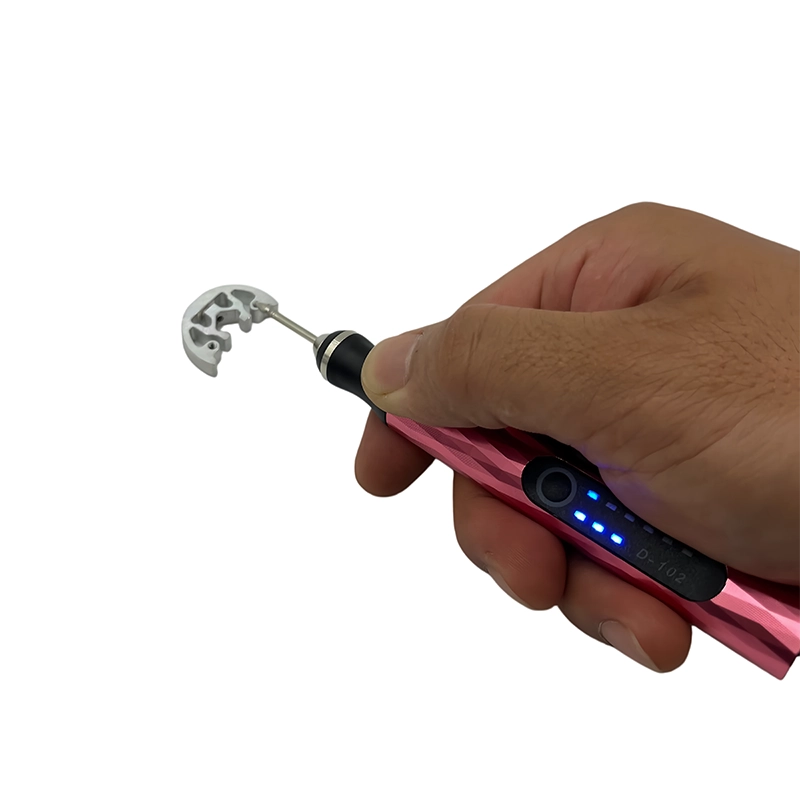
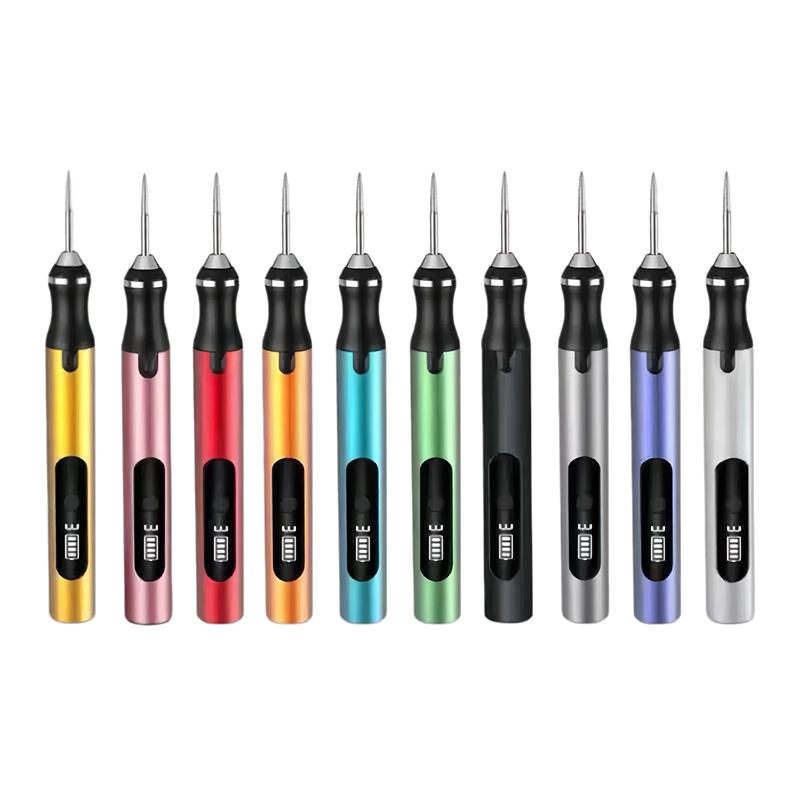
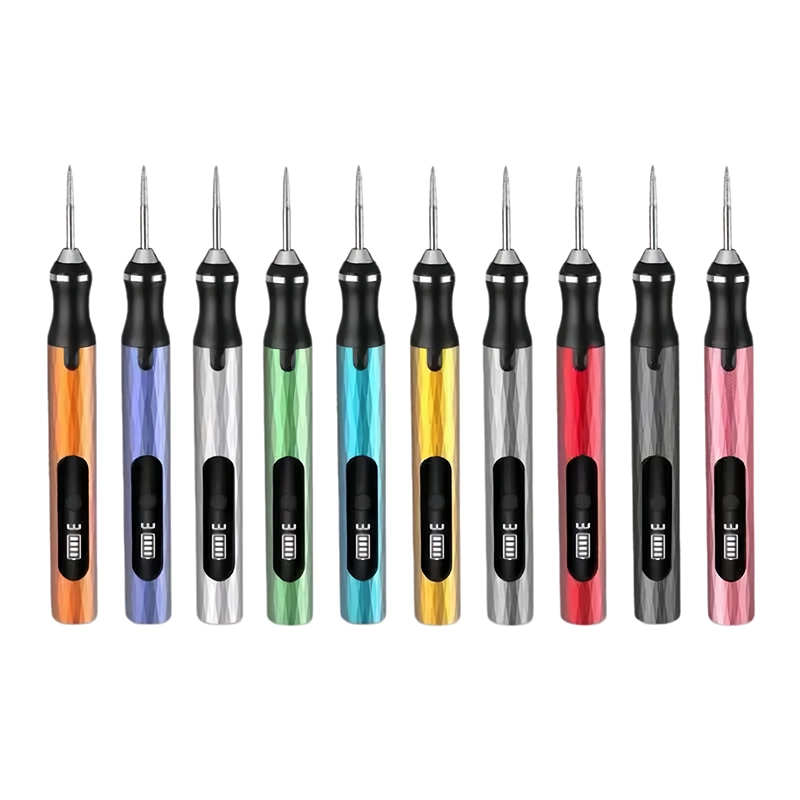
Electric Rotary Tool
Why Do Precision Grinding Pens Fail So Fast? OEM Buyers Must Know This
Why do precision grinding pens fail so fast? Learn OEM buying mistakes, factory QC issues, and how to choose a reliable supplier to reduce cost and improve efficiency.
Published 2026-06-24 · Reviewed by the ToolQeen product and quality team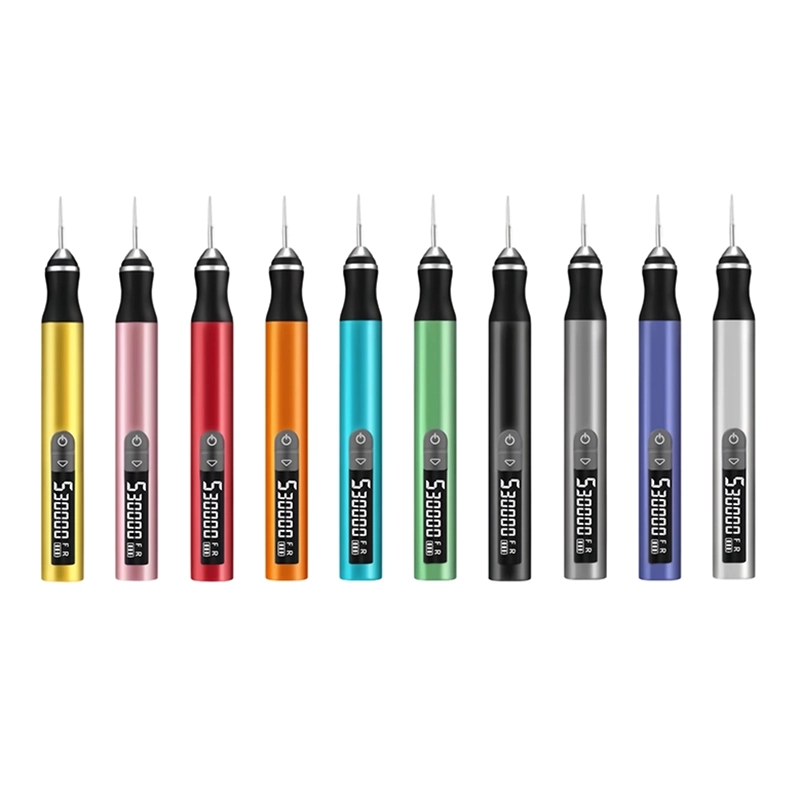
📌 Abstract Many precision grinding pens fail early due to unstable motor systems and weak factory quality control. OEM buyers often underestimate the impact of accessory material quality on tool lifespan. Battery inconsistency is one of the most common hidden causes of performance failure. Factory-level testing processes directly determine product reliability in real use. Choosing the right manufacturer significantly reduces return rate and long-term cost.
⚡ Quick Answer Precision grinding pens fail fast mainly due to unstable motors, poor accessory materials, battery inconsistency, and weak factory QC systems. Buyers can reduce failure risk by selecting manufacturers with strict testing processes and stable OEM production control. ⚠️ Why Precision Grinding Pens Fail So Fast Most failures are not caused by design — they are caused by manufacturing inconsistency. In OEM production, small variations in: motor assembly battery matching grinding bit hardness speed calibration can lead to major performance differences in real usage.
🔥 Problem 1: Motor Instability Low-quality motors cause: vibration during operation unstable RPM output reduced engraving accuracy 🔥 Problem 2: Poor Accessory Materials Weak grinding heads lead to: fast wear poor polishing results overheating during use 🔥 Problem 3: Battery Inconsistency Battery issues create: unstable runtime sudden power drop uneven torque output 🔥 Problem 4: No Real QC System Many factories only perform appearance checks.
Missing systems include: torque testing load simulation battery aging test speed calibration 🏭 Factory Insight (ToolQeen System) ToolQeen improves reliability through: Incoming material inspection Motor performance testing Battery aging cycle tests Speed stability calibration Final functional inspection ⚙️ Professional VS Low-End Grinding Pens Feature Professional Tool Low-End Tool Motor Stability High Low Battery Life Stable Unstable Accessory Quality Hardened HSS Low-grade metal Speed Control Precise Inconsistent QC System Full Testing Visual Only Lifespan Long Short 📊 Real Manufacturing Data Metric Industry Avg ToolQeen Yield Rate 95% 98.5% Defect Rate High Low Return Rate High Low Consistency Medium High 🧠 Application Scenarios Electronics repair Jewelry engraving DIY crafting Model finishing Industrial polishing 💡 Key Insight Most OEM failures come from: 👉 unstable supply chain👉 weak QC systems👉 inconsistent materials Not from product design itself.
❓ FAQ Why do grinding pens fail quickly? Because of unstable motors, poor materials, and weak QC systems. What is the most important factor? Motor stability and battery consistency. Can cheap grinding pens be used for OEM kits? Not recommended due to high failure rates. How do factories improve quality? Through torque testing, aging tests, and process standardization. Can ToolQeen support OEM orders? Yes, full OEM support is available.
📩 Request A Quote Looking for a reliable precision grinding pen manufacturer? Contact ToolQeen for OEM solutions, factory direct supply, and private label production. 🏭 About ToolQeen ToolQeen specializes in electric screwdrivers, precision grinding pens, and rotary tools for global OEM buyers and distributors. 🔗 Explore Our Products https://www.toolqeen.com/products 📘 Learn More https://www.toolqeen.com/about-us 🧠 Reviewed By ToolQeen Engineering Team This article is based on OEM manufacturing experience, QC system analysis, and real production data.
Technical review
Checked against current ToolQeen product and factory materials.
Use this guide to prepare better sourcing questions. Confirm final specifications, quantities, documents and lead times for the selected model and market.
Related product platforms