Electric screwdriver
Precision Electric Screwdriver for 3D Sample Hardware: Torque and Bit Checks
precision electric screwdriver for 3D sample hardware guide for USA/EU buyers. Compare ToolQeen OEM kits, QC, finishing workflow, packaging, and RFQ checks.
Published 2026-08-04 · Reviewed by the ToolQeen product and quality team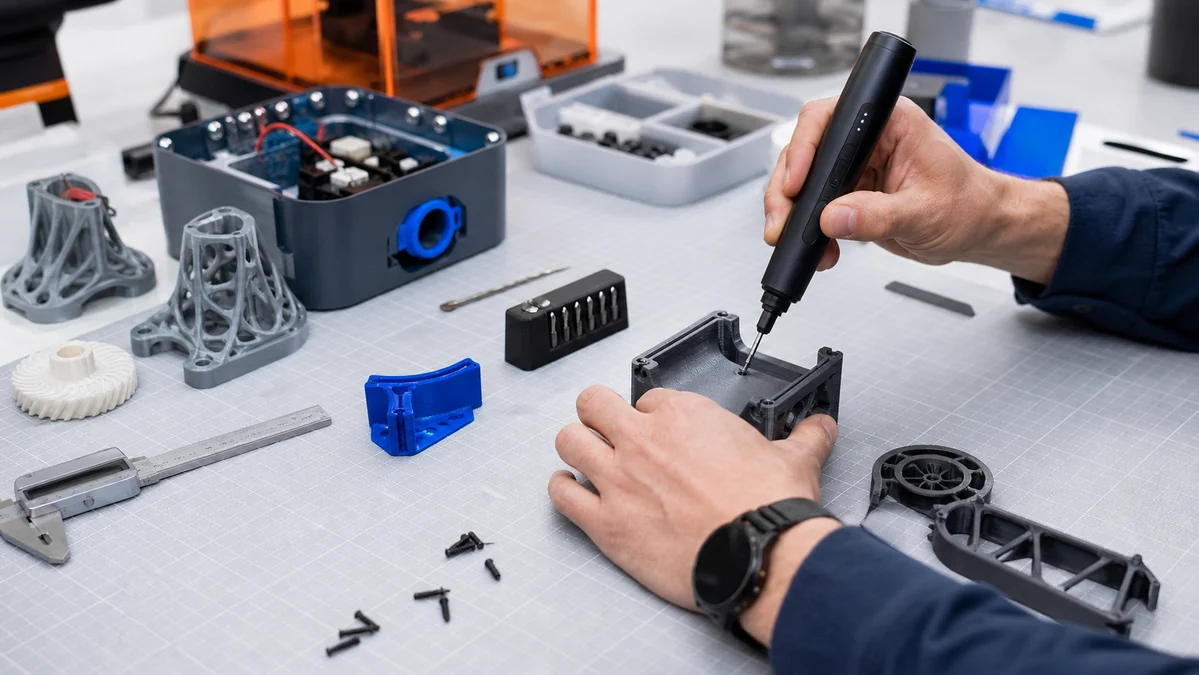
Quick Answer
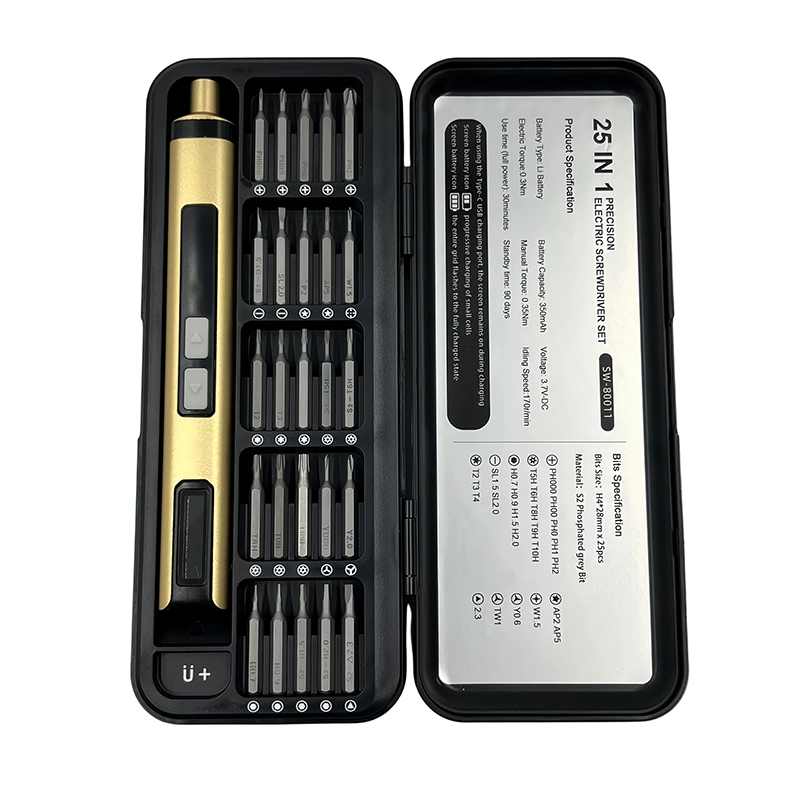
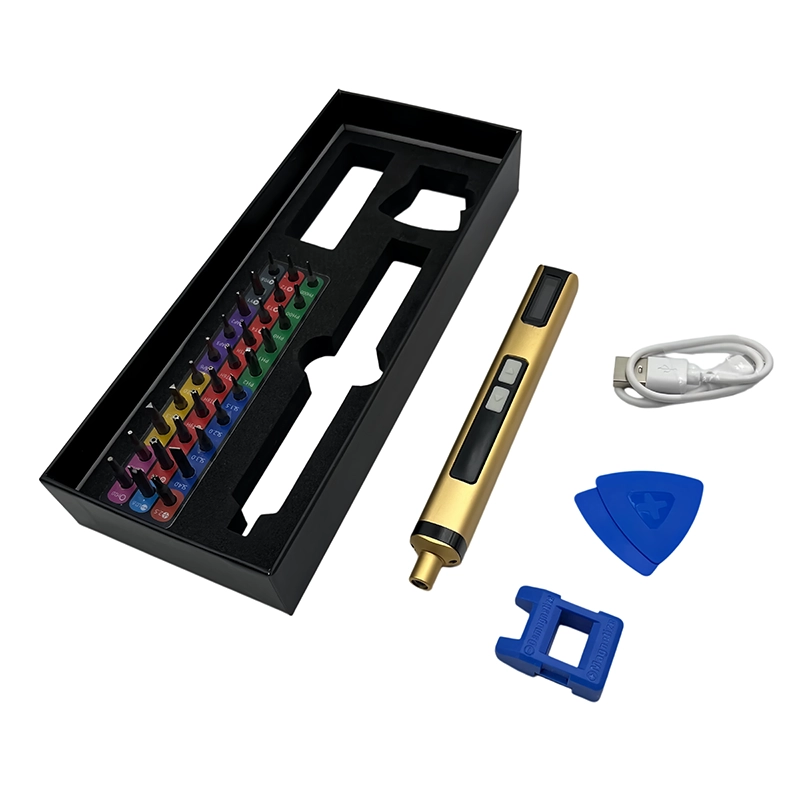
For electronics repair brands, precision electric screwdriver for 3D sample hardware should be selected by matching the 3D printed material, screw size, finishing requirement, and repeat order plan. ToolQeen supports OEM and private label programs where precision screwdrivers handle 3D sample assembly, while electric rotary tool pens help remove supports, smooth edges, and prepare prototype accessories for fit checks.
precision screwdriver for 3D printed sample preparation and buyer evaluation.
The Real Problem in 3D Accessory Sampling
3D printed samples often look ready when they come off the printer, but the final assembly step exposes the weak points: boss holes are tight, small screws bite unevenly, support marks interfere with fit, and printed edges can scratch mating parts. For a distributor or repair-tool brand, those small problems become return risk when the sample moves into a kit, bundle, or OEM program. The practical answer is not one universal tool.
It is a controlled tool set built around precision electric screwdriver for 3D sample hardware, correct bit fit, light finishing, and repeatable inspection. ToolQeen approaches this from the point of view of a China precision tool manufacturer: sample assembly, bit configuration, packaging, quality checks, and private label planning need to be considered together before the first bulk order.
Materials, Printed Parts, and Industrial Design Fit
PLA, PETG, ABS, nylon, resin, and filled engineering plastics behave differently during post-processing. PLA can chip at thin screw posts, resin parts can crack under point pressure, and nylon parts may deform if the wrong abrasive speed is used. That is why the tool choice should reflect material behavior, not only catalog appearance. Industry bodies such as ISO/TC 261 for additive manufacturing and NIST additive manufacturing resources show why consistent process control matters.
In procurement language, this means buyers should confirm torque control, abrasive tip options, battery reliability, bit hardness, and packaging before approving a 3D accessory service kit.
Why Choose ToolQeen for 3D Sample Tool Support?
ToolQeen builds precision tool programs for OEM, ODM, private label, wholesale, and factory-direct supply. For 3D sample service projects, our value is not limited to sending a screwdriver or a grinder pen. We help buyers define the tool configuration, choose bit assortments, match rotary accessories to printed materials, and prepare packaging that makes sense for retail, repair, maker, or distributor channels. For USA and EU buyers, this matters because the sales page is only the beginning.
The real cost is hidden in inconsistent samples, damaged printed posts, poor finishing, missing bits, unclear instructions, and unstable replenishment. A factory partner should reduce that friction before the product reaches your customer.
Tool Principle: Assembly First, Finishing Second
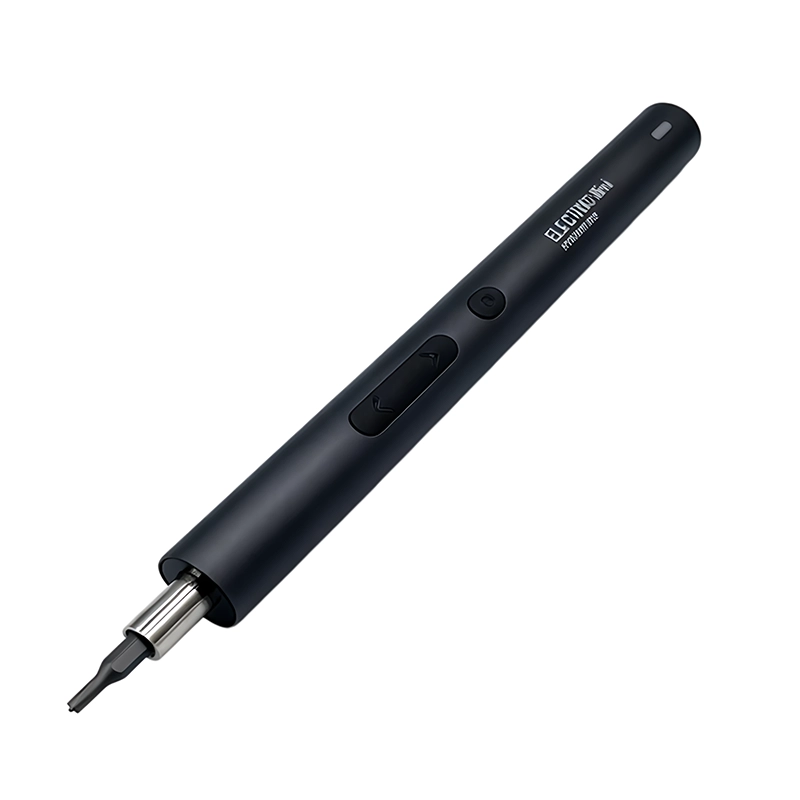
The best 3D sample hardware checks begin with bit fit and controlled torque. A precision electric screwdriver is useful when the printed part needs controlled fastening: enclosure covers, bracket inserts, prototype modules, jig housings, small fixtures, and DIY samples. The goal is steady torque and bit alignment, not raw speed. An electric rotary tool pen is useful when the printed part needs surface correction: support removal, burr smoothing, hole cleanup, slot adjustment, and edge polishing.
A professional kit can combine both. The screwdriver confirms assembly repeatability; the rotary tool prepares the surface so the assembly does not fight against print defects. This is especially relevant for 3D printed accessories used in electronics repair, hobby tools, creator kits, educational labs, and small-batch prototype services. Inline application image showing how 3D printed accessories are assembled and finished before buyer approval.
Comparison: Manual Work vs Controlled Precision Tools
Work Step Manual Risk Controlled Tool Advantage Screw installation Over-tightening cracks thin printed bosses Precision screwdriver improves repeatability Support removal Knife marks and uneven edges Rotary pen smooths edges with matched accessories Hole cleanup Poor fit and slow rework Small abrasive tips correct tight holes quickly Sample approval Inconsistent finish between samples QC checklist supports repeat orders
Factory Checklist Before Ordering
Confirm the target printed material and whether the tool will contact PLA, PETG, ABS, nylon, or resin. Define the screw sizes, bit types, torque range, and expected assembly frequency. Request sample testing on printed bosses, thin walls, curved surfaces, and support-removal zones. Check OEM packaging, instruction inserts, spare bit layout, and replacement accessory plan. Ask the factory how it controls bit hardness, motor runout, battery charging, and final inspection.
Application Scenarios for B2B Buyers
Typical buyers include tool distributors, maker-tool brands, electronics repair brands, Amazon sellers, 3D printing accessory shops, education lab suppliers, prototype service companies, and hardware importers. The strongest use case is a bundled solution: a compact screwdriver kit for assembly plus a rotary pen or mini grinder for post-processing. The kit can be positioned for 3D printed enclosure assembly, DIY sample building, model accessory trimming, repair jig preparation, small fixture adjustment, and low-volume prototype finishing.
This creates stronger SEO intent than generic consumer keywords because the buyer is searching for a repeatable tool supply solution, not a one-time gadget.
Real Buyer Case: Prototype Accessory Kit Planning
An electronics accessory buyer tested printed enclosure samples with multiple screw sizes. The approved kit used defined bit geometry and light rotary finishing because the sample failed only when the printed hole was rough. The practical lesson was simple: buyers should not approve the tool only from a product photo. They should test the sample on real printed parts, record which bits and abrasives are used most often, then lock the kit structure before placing the first bulk order.
Selection Advice for OEM and Private Label Orders
When sourcing precision electric screwdriver for 3D sample hardware, start with the end user workflow. If the buyer mainly assembles printed cases, brackets, and electronics modules, put more attention on screwdriver torque, bit fit, magnetic retention, and charging design. If the buyer mainly cleans support scars or adjusts surfaces, focus on rotary tool speed stability, accessory compatibility, hand comfort, and heat behavior.
ToolQeen can support private label packaging, custom kit combinations, wholesale supply, and factory-direct programs. Buyers can begin with a sample tool configuration, then adjust accessories, color, logo placement, packaging, and instruction content before mass production.
Buyer FAQ
Can ToolQeen supply tools for 3D printed accessory service kits? Yes. ToolQeen can combine precision electric screwdrivers, electric rotary tool pens, bits, abrasives, and packaging for OEM or private label 3D sample tool kits. Should a 3D sample kit include both a screwdriver and a rotary tool? For many B2B programs, yes. The screwdriver supports controlled assembly, while the rotary tool supports support removal, edge smoothing, and small fit corrections.
What should buyers test before bulk orders? Buyers should test torque behavior, bit fit, rotary accessory compatibility, printed part cracking risk, package layout, replacement accessories, and inspection consistency. Is OEM packaging available for USA and EU buyers? Yes. ToolQeen supports OEM, ODM, private label, wholesale, and factory-direct supply for distributors, repair brands, and tool sellers.
Conclusion: Build a Better 3D Sample Tool Program
precision electric screwdriver for 3D sample hardware is valuable when it helps buyers reduce sample damage, finish printed parts faster, and create a more reliable kit for repeat orders. For 3D accessory services, the best tool program connects assembly, finishing, QC, packaging, and OEM planning instead of treating each part separately. Explore ToolQeen product options on our products page, or learn more about Shenzhen ToolQeen Technology Co., Ltd.
on the about us page. For OEM or private label projects, request a quote and share your 3D printed sample workflow so the kit can be built around real use.
Technical review
Checked against current ToolQeen product and factory materials.
Use this guide to prepare better sourcing questions. Confirm final specifications, quantities, documents and lead times for the selected model and market.
Related product platforms