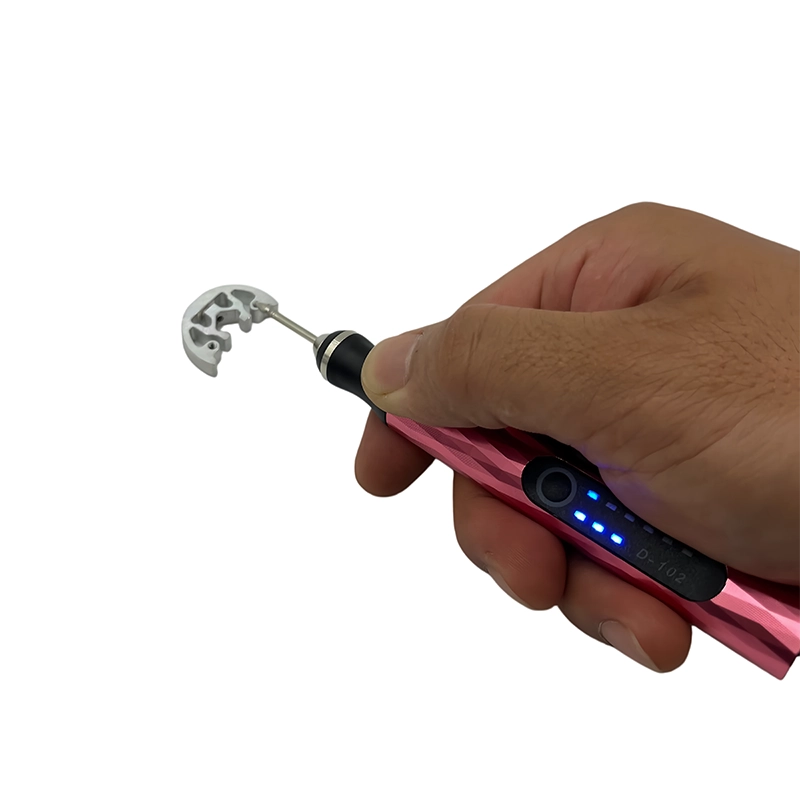
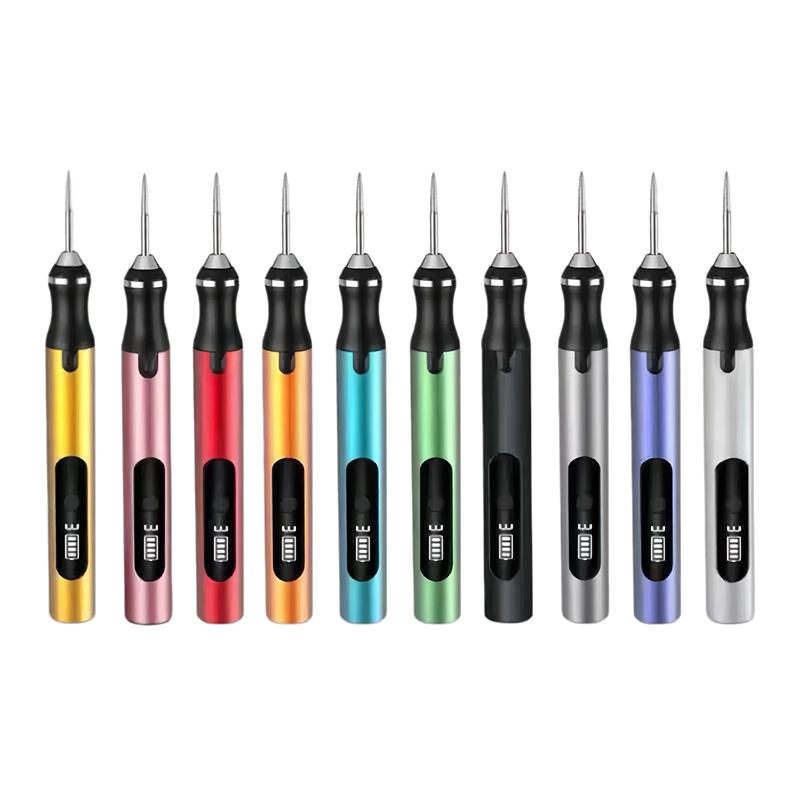
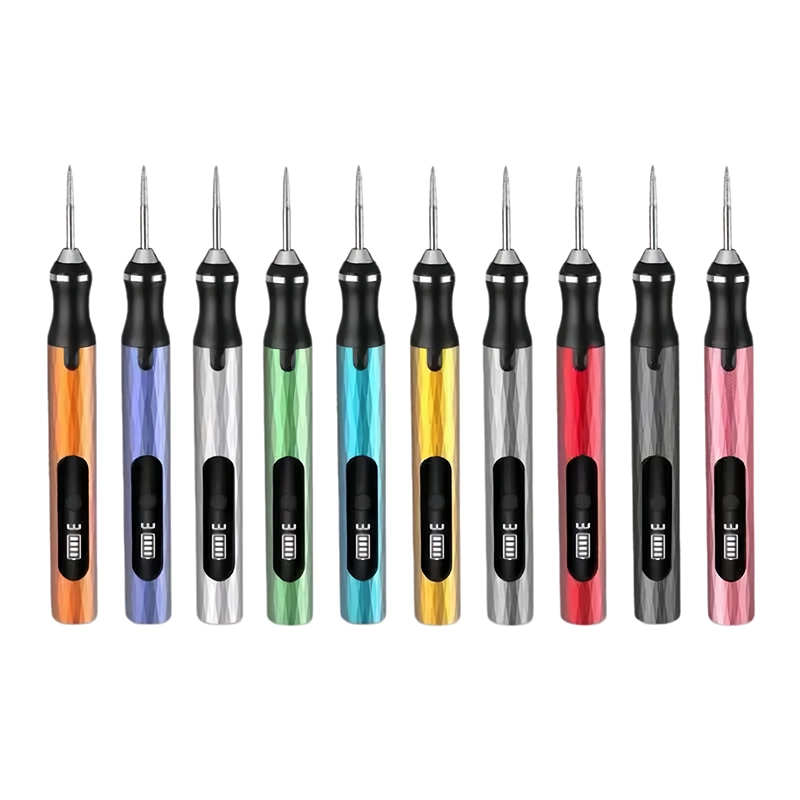
Electric Rotary Tool
Mini Rotary Tool Supplier: How B2B Buyers Choose Precision Grinding Pens for Electronics Repair
Looking for a mini rotary tool supplier? Learn how B2B buyers evaluate precision grinding pens for electronics repair, OEM customization, QC, packaging, and bulk supply.
Published 2026-07-02 · Reviewed by the ToolQeen product and quality team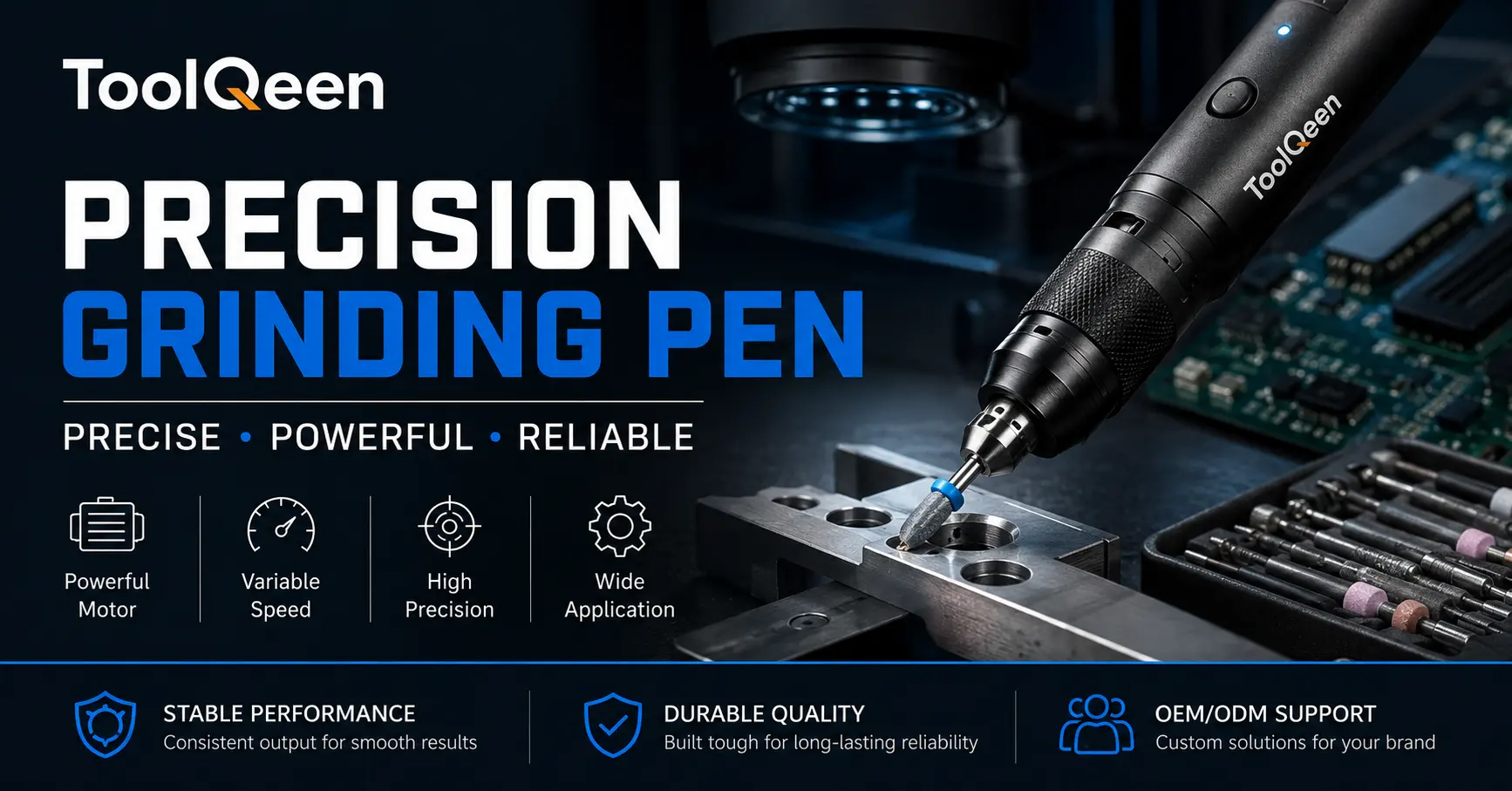
Many buyers start looking for a mini rotary tool supplier only after they run into the same frustrating pattern: weak motors, rough polishing results, poor accessory quality, unstable packaging, and customer complaints that slowly eat into profit. For electronics repair shops, e-commerce sellers, and private-label tool brands, a compact rotary tool is not just a small gadget. It affects repair speed, product reviews, repeat orders, and how professional a tool line feels in the buyer's hands.
ToolQeen approaches this problem from the factory side. Instead of treating a rotary tool as a simple accessory, our team looks at motor stability, grip design, accessory matching, housing quality, packaging, and batch inspection together. That is what allows a small precision grinding pen to become a dependable repair product rather than a one-time impulse purchase.
Quick Answer
A reliable mini rotary tool supplier should offer stable motor performance, practical accessories, safe materials, consistent quality control, and OEM/ODM support for packaging and branding. For B2B buyers, the best supplier is not only the one with the lowest unit price, but the one that can reduce returns, support repeat orders, and help the product sell clearly in electronics repair, DIY, and precision polishing markets.
Why Small Rotary Tools Fail in Real Repair Work
The most common failure is not always a broken motor. Many low-cost rotary tools fail because the whole product system is weak: the speed feels unstable, the accessory set does not match common repair tasks, the body becomes uncomfortable after longer use, or the packaging does not explain the product well enough for online buyers. In electronics repair, small mistakes are expensive. A polishing head that shakes too much can leave uneven marks.
A weak grinding pen can slow down trimming work. Poorly selected accessories can make a product look rich in photos but disappointing after the customer opens the box. For importers and e-commerce sellers, those small details often become return reasons, negative reviews, and lower repurchase confidence.
Material, Motor, and Industrial Design Matter More Than Buyers Expect
A precision grinding pen looks simple from the outside, but its performance depends on several hidden details. The motor needs stable rotation, the internal structure must hold alignment, the housing should feel controlled in the hand, and the accessory set should match real polishing, engraving, trimming, and small-part repair tasks. For B2B buyers, material selection is also part of risk control. Housing finish, switch feel, charging design, accessory hardness, and storage layout all affect how the customer judges quality.
The European Commission notes that electrical and electronic products must manage hazardous substance risks under RoHS rules, which is why export-ready suppliers need to treat compliance as part of product development, not as an afterthought. See the European Commission's RoHS overview here: RoHS Directive.
Why Buyers Work With ToolQeen
ToolQeen is a Shenzhen-based precision tool manufacturer founded in 2016. Our factory supports full-chain production, including design, mold development, injection molding, metal processing, assembly, testing, packaging, and shipment. For mini rotary tool projects, that means buyers can discuss product structure, accessory mix, logo, color, retail packaging, manual, MOQ, and delivery schedule with one manufacturing team.
This matters when the product is sold under your own brand. A repair tool may be small, but the supplier decision is not. Buyers need samples in days, stable repeat batches, clean packaging files, certificate support, and a QC process that catches problems before shipment. ToolQeen's OEM service starts from 500 pcs, while ODM projects are available for buyers who need deeper product development.
Mini Rotary Tool Supplier vs. General Trading Company
Both a factory supplier and a general trading company can provide a product quote. The difference appears when a buyer needs stable specifications, product changes, packaging control, or repeat production. A trading company may be useful for mixed sourcing, but it often has limited control over internal structure, motor selection, process stability, and batch-level correction. A specialized mini rotary tool supplier can usually discuss the product in more practical detail: motor performance, accessory pairing, grip comfort, packaging layout, inspection points, and how the tool will be used by repair technicians or DIY customers.
For buyers building a product line, that technical conversation is often more valuable than a slightly lower first quote.
How to Evaluate a Mini Rotary Tool for Bulk Orders
1. Check Motor Stability, Not Just Speed Claims High speed sounds attractive, but repair work needs control. Buyers should test whether the tool runs smoothly, whether vibration is acceptable, and whether speed remains consistent during light grinding or polishing. A product that feels powerful for ten seconds but unstable during real work will not perform well in repair scenarios. 2. Match Accessories to Real Applications A larger accessory count is not automatically better.
For electronics repair, buyers should focus on useful heads for polishing, engraving, trimming, burr removal, plastic edge finishing, and small metal touch-up work. Accessories should be organized clearly so customers can understand the kit quickly. 3. Review Housing, Grip, and Charging Design A compact rotary tool must feel precise in the hand. Smooth control matters when a user is working around phone frames, laptop housings, model parts, jewelry, or small plastic components.
USB charging, clear indicators, and simple operation can improve product reviews because customers do not need to learn a complicated tool before using it. 4. Ask About QC Before Discussing Only Price Price matters, but the cheapest batch can become expensive if it creates high return rates. Buyers should ask how the supplier checks motor function, appearance, noise, accessory completeness, charging performance, packaging, labels, and final shipment sampling.
IPC, now the Global Electronics Association, emphasizes that electronics manufacturing standards help create consistency, reliability, and quality across the industry. That same mindset is useful when buyers evaluate repair tool suppliers. Reference: IPC Standards.
Application Scenarios That Convert Better Online
A mini rotary tool becomes easier to sell when buyers describe the use cases clearly. For electronics repair, it can support phone frame polishing, small plastic trimming, laptop shell touch-up, screw hole cleaning, and detailed repair preparation. For DIY users, it can support model making, jewelry adjustment, small craft work, engraving practice, and home repair details. For e-commerce sellers, the strongest product pages usually do not only say "multi-function rotary tool." They show clear scenarios: polishing, trimming, engraving, grinding, and precision repair.
This helps customers imagine the tool in their own work, which improves click-through rate and conversion.
A Practical Case: Improving a Private-Label Repair Tool Kit
A typical private-label buyer may already sell screwdriver kits, but wants to add a compact electric grinding pen to raise average order value. The risk is simple: if the rotary tool feels cheap, it can weaken the entire tool kit. In one common project setup, the buyer needs a smoother housing color, clearer accessory layout, custom logo, retail packaging, and a product manual written for repair and DIY users. In this type of project, ToolQeen would normally start with requirement communication, confirm the target market and quantity, prepare samples for review, adjust packaging or accessory configuration, and then move into mass production after approval.
The goal is not only to deliver a tool, but to help the buyer build a product that looks coherent, performs reliably, and fits the selling channel.
Selection Advice for Importers, Distributors, and E-Commerce Sellers
If you are comparing suppliers, build your checklist around business risk, not only around price. Ask for samples, test vibration and speed stability, inspect accessories, check packaging, confirm MOQ, review certificate support, and understand the supplier's delivery rhythm. A good mini rotary tool supplier should make these details easier to verify. For Amazon sellers and online stores, packaging and product explanation are especially important.
For wholesalers and distributors, stable replenishment and consistent product quality matter more. For brand owners, OEM/ODM flexibility, logo application, color control, manual design, and retail-ready packaging can determine whether the product feels like a real brand line or just another generic tool.
FAQ
What is a mini rotary tool used for? A mini rotary tool is used for small polishing, engraving, trimming, grinding, and detail repair tasks. It is commonly used in electronics repair, DIY work, model making, jewelry touch-up, plastic finishing, and small household maintenance. How do I choose a mini rotary tool supplier for wholesale orders? Choose a supplier that can provide stable motor performance, practical accessory sets, quality inspection, packaging support, clear MOQ, sample service, and repeatable production.
For B2B buyers, supplier stability is often more important than the lowest first price. Can ToolQeen support OEM packaging for rotary tools? Yes. ToolQeen supports OEM branding such as logo application, custom colors, retail packaging, manuals, and tool kit configuration based on target market needs. Standard OEM projects start from 500 pcs, depending on the product and customization details. Is a mini rotary tool suitable for electronics repair shops?
Yes. A compact rotary tool is useful for light polishing, trimming, cleaning, and detail finishing around phones, laptops, game consoles, and small electronic devices. The key is choosing a controlled tool with suitable accessories, not an oversized rotary tool made only for heavy work.
Summary: Build a Product Buyers Can Trust
Choosing a mini rotary tool supplier is really about choosing whether your product line can stay reliable after the first order. The right supplier helps you reduce complaints, explain product value clearly, support OEM/ODM needs, and keep repeat batches consistent for electronics repair, DIY, and precision tool markets. ToolQeen combines precision tool manufacturing, practical repair market experience, OEM/ODM customization, and full-chain production support for global B2B buyers.
To understand our factory capability, visit About ToolQeen. To explore our precision tool categories, visit ToolQeen Products.
Technical review
Checked against current ToolQeen product and factory materials.
Use this guide to prepare better sourcing questions. Confirm final specifications, quantities, documents and lead times for the selected model and market.
Related product platforms