Case study
How Tool Brands Build Better Rotary Tool Kits for Repair Markets
Build better rotary tool kits for repair markets. Learn OEM packaging, accessory mix, channel positioning, QC checks, and RFQ details before ordering.
Published 2026-07-11 · Reviewed by the ToolQeen product and quality team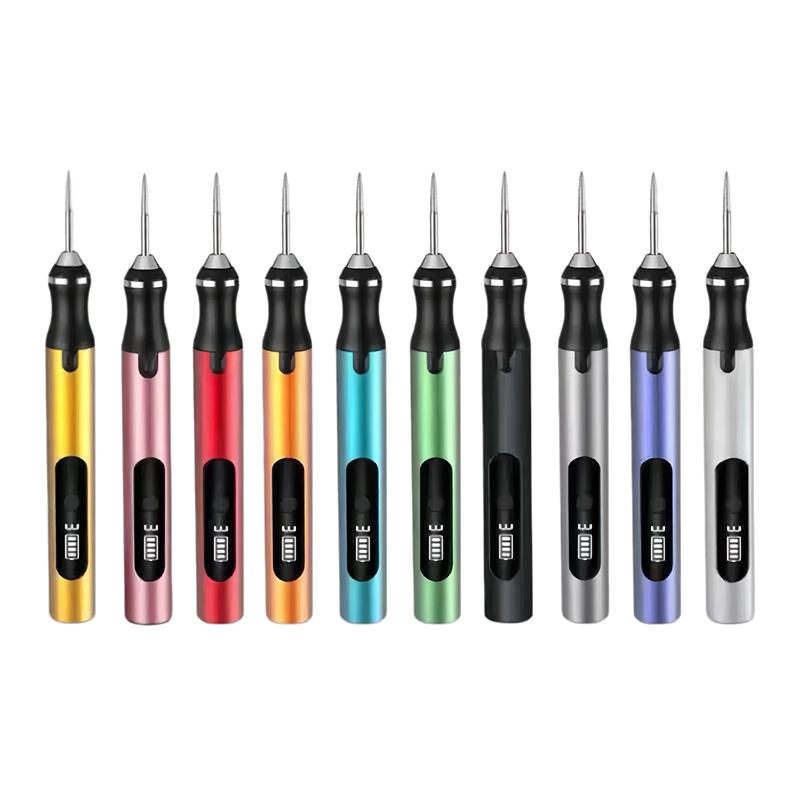
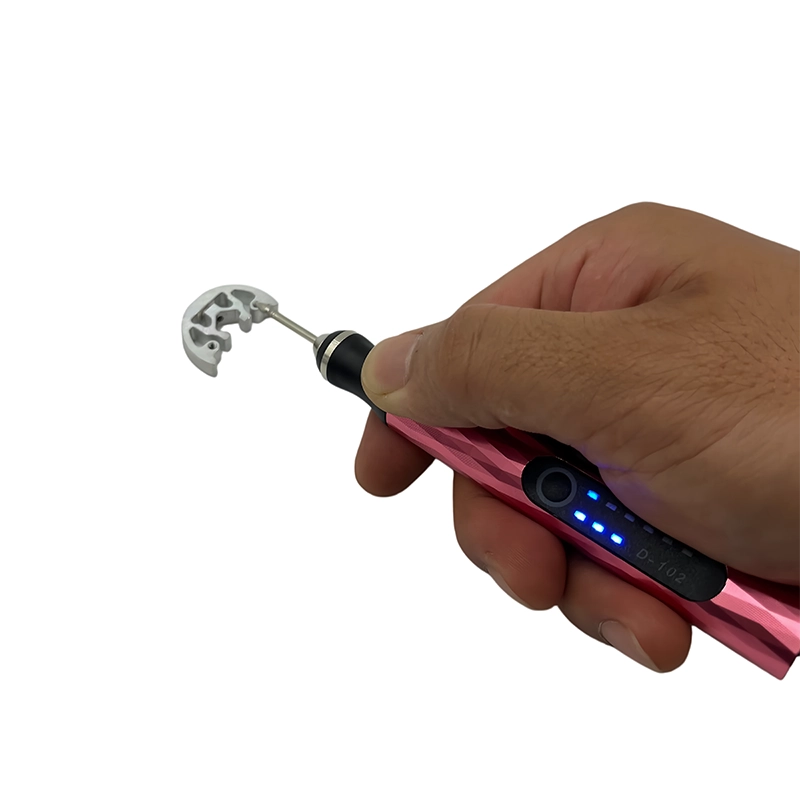
Quick Answer: Tool brands build stronger rotary tool kits by matching the kit to a real repair channel, not by adding the largest number of accessories. For distributors, Amazon sellers, and repair tool companies, the winning kit usually combines stable tool performance, practical accessory selection, clear packaging, dependable QC, and OEM details that make reorders simple. OEM rotary tool kit configuration for repair brands and distributors.
A rotary tool kit can look attractive in a catalog but still disappoint buyers when the accessories do not match phone, laptop, model, plastic trimming, or small-detail repair work. The best B2B programs start from the end user: what they repair, how often they use the tool, what accessories they replace, and what packaging helps them trust the product before opening the box. ToolQeen supports OEM, ODM, private label, wholesale, and factory-direct precision tool projects for buyers who need repeatable supply rather than a one-time product listing.
Buyers can review the ToolQeen product range or contact the team through ToolQeen inquiry support.
Start With the Repair Channel, Not the Accessory Count
Many sourcing teams compare rotary tool kits by accessory quantity. That shortcut often creates weak products. A kit with many low-use accessories can look generous online, but repair technicians judge it by control, fit, storage, and whether the right bits are ready when they need them. For electronics repair brands, the core kit should support controlled grinding, polishing, trimming, drilling, and detail cleaning. For gift or retail channels, the box presentation and instruction clarity may matter more.
For wholesale distributors, carton labels, reorder consistency, and SKU structure are often the biggest operational concerns.
What a Better OEM Rotary Tool Kit Includes
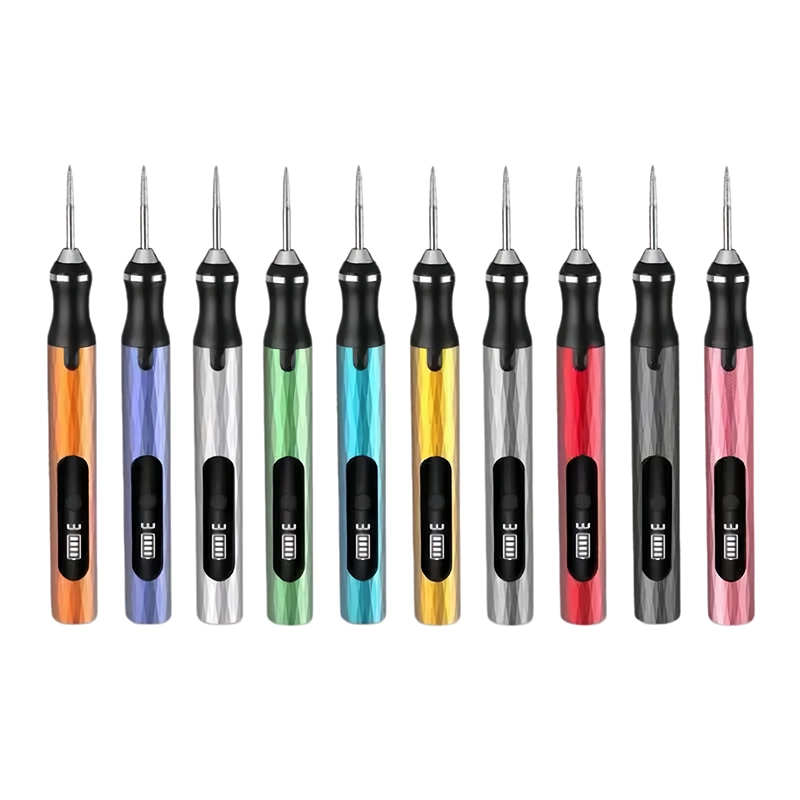
A stronger OEM kit normally includes a stable rotary tool body, a practical accessory mix, organized packaging, charging cable, instruction sheet, and clear product positioning. Buyers should ask whether the supplier can adjust color, logo placement, accessory count, insert tray, manual, retail box, barcode label, and carton marking. The goal is not decoration. Packaging tells the buyer whether the brand understands the repair market.
A clean tray, clear accessory layout, and professional box can reduce confusion, improve perceived value, and make the product easier for distributors and e-commerce sellers to promote.
Factory Control Behind a Sellable Kit
ToolQeen approaches rotary tool kits as repeatable supply programs. The factory-side work includes sample confirmation, accessory matching, visual inspection, charging check, speed feel review, package confirmation, carton verification, and final shipment preparation. This is especially important when a buyer sells under a private label and expects each reorder to look the same. Quality planning should be practical. A buyer does not need a complicated document for every small order, but they do need a shared checklist.
Public quality references such as ISO 9001 quality management reinforce why repeatable process control matters for B2B supply.
Kit Positioning for USA and EU Buyers
USA buyers often care about listing conversion, returns, review protection, and fast communication when a reorder is needed. EU buyers usually look closely at packaging accuracy, product consistency, supplier professionalism, and whether the kit can be positioned for repair shops, hardware channels, or specialty tool stores. For both markets, the supplier should help the buyer avoid vague positioning. A kit for laptop repair, plastic trimming, maker projects, jewelry detailing, or electronics repair should not use the same copy, accessory list, and image direction.
Specific positioning creates better CTR and stronger inquiry quality.
Accessory Mix: What Buyers Should Ask
Kit Area Buyer Question Why It Matters Grinding accessories Are they suitable for small repair work? Prevents overselling accessories that users rarely need. Collet fit Does the tool hold accessories securely? Reduces vibration complaints and weak user experience. Packaging layout Can the tray protect and display the set? Improves presentation and reduces shipping mess. Private label Can logo, manual, and carton be customized?
Supports brand control and distributor reorder planning.
Real Case: From Generic Kit to Repair-Market SKU
A repair tool distributor may begin with a general rotary tool set because it looks easy to sell. After reviewing customer use, the better strategy is often to create a repair-market SKU with fewer but more relevant accessories, clearer packaging, and a product title focused on electronics repair or plastic trimming. This makes the offer easier for buyers to understand and easier for sales teams to explain. In this type of project, ToolQeen can help the buyer confirm the accessory list, refine packaging, check the expected order quantity, and prepare a practical OEM plan before bulk production.
The result is a cleaner product story and lower risk than buying a random catalog kit.
Buyer FAQ
Can ToolQeen support private label rotary tool kits? Yes. ToolQeen can support logo direction, packaging style, accessory configuration, manual content, and retail presentation for qualified B2B orders. Who should buy OEM rotary tool kits? Tool distributors, repair tool brands, electronics repair suppliers, hardware importers, e-commerce sellers, and procurement teams that need repeatable precision tool supply. What should buyers confirm before ordering?
Confirm application, accessory list, color, logo, packaging, MOQ, lead time, sample approval, QC checklist, and carton requirements. Can one kit fit all markets? Usually not. USA, EU, retail, repair shop, and online channels often need different positioning, packaging, and accessory choices. Where can buyers review related products? Visit ToolQeen Products and About ToolQeen before sending an OEM inquiry.
Final Recommendation
A better rotary tool kit is built from channel logic, not accessory quantity alone. ToolQeen helps B2B buyers connect product configuration, packaging, QC, and private label needs into a practical supply plan. For buyers targeting USA and EU repair markets, that structure can improve product trust, reduce confusion, and create stronger RFQs. Next step: send ToolQeen your target market, expected quantity, preferred kit style, packaging requirement, and brand plan.
The team can help evaluate whether a standard product, OEM adjustment, or full private label kit is the better route.
Technical review
Checked against current ToolQeen product and factory materials.
Use this guide to prepare better sourcing questions. Confirm final specifications, quantities, documents and lead times for the selected model and market.
Related product platforms