Power Tools
OEM Mini Rotary Tool: How Brands Customize Products for Bulk Markets
Source an OEM mini rotary tool with custom branding, speed settings, accessories, packaging, sample testing, quality control, and bulk production support.
Published 2026-07-17 · Reviewed by the ToolQeen product and quality team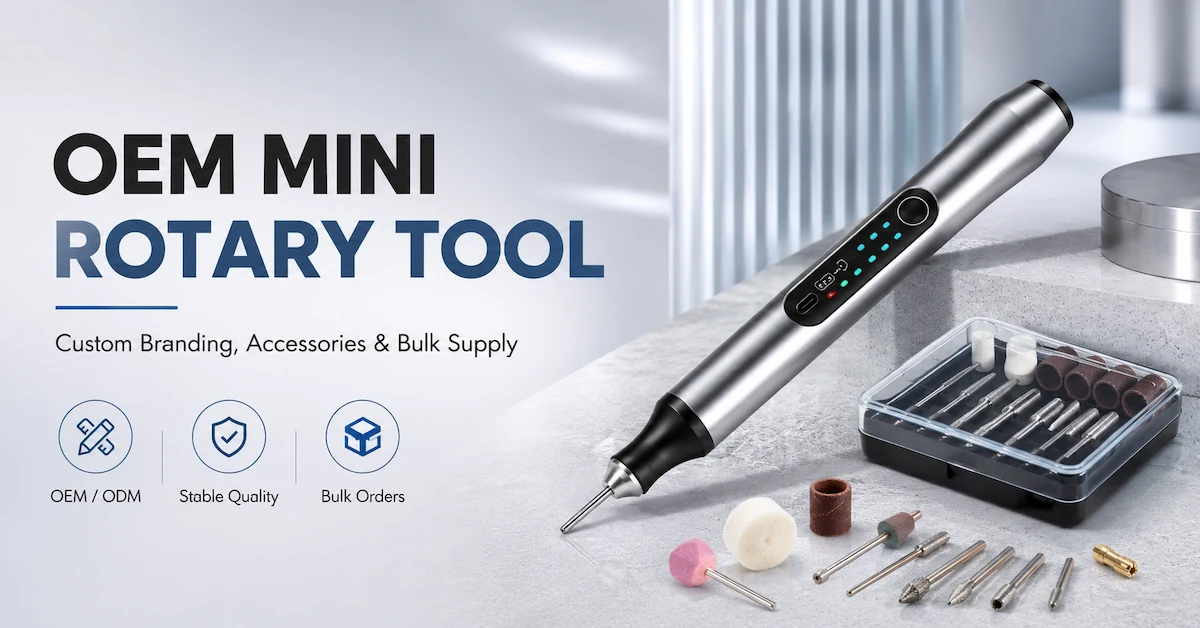
Introduction
An OEM mini rotary tool allows power tool brands, distributors, retailers, and e-commerce sellers to launch customized products without building their own manufacturing system. Instead of purchasing a completely standard product, OEM buyers can define important elements such as the logo, housing color, speed configuration, accessory combination, retail packaging, user manual, labels, and inspection requirements. Mini rotary tools are widely used for engraving, polishing, grinding, sanding, drilling, cutting, deburring, model making, electronics repair, and craft applications.
Because one product can serve several markets, the final configuration should be based on the target customer rather than simply including the largest possible number of accessories. ToolQeen supports OEM and ODM precision tool projects, including product configuration, branding, packaging, sample approval, quality inspection, and bulk production. Buyers can review ToolQeen’s manufacturing background on the About Us page.
Quick Answer
A reliable OEM mini rotary tool project should begin with a clear target market and written product specification. Buyers should confirm: Corded or cordless design Speed range Motor performance Battery capacity Charging interface Accessory combination Logo method Product color Packaging requirements MOQ and lead time Quality testing standards A complete branded sample should be tested and approved before mass production.
What Is an OEM Mini Rotary Tool?
An OEM mini rotary tool is manufactured according to a buyer’s approved specifications and sold under the buyer’s brand. The factory is responsible for production, assembly, inspection, packaging, and delivery, while the buyer controls the commercial positioning and customized details. Common OEM options include: Custom logo Customized housing color Speed-level configuration Accessory selection Branded storage box Retail packaging Multilingual manual Barcode and SKU labels Export carton markings OEM manufacturing is suitable for companies that already understand their target market and need a reliable production partner.
Who Should Source OEM Mini Rotary Tools?
Power Tool Brands Existing brands can use OEM manufacturing to add compact engraving, polishing, and grinding tools to their product range. Tool Distributors Distributors often require stable specifications, repeat-order consistency, and packaging suitable for regional wholesale markets. Amazon and Shopify Sellers E-commerce sellers need retail-ready packaging, clear instructions, secure accessory storage, barcode support, and consistent product quality.
Craft and Jewelry Suppliers These buyers usually prioritize low vibration, precise speed control, compatible polishing accessories, and comfortable handling. Electronics Repair Suppliers Mini rotary tools can support PCB modification, surface cleaning, small-part grinding, and precision processing when configured with suitable accessories. Buyers can explore ToolQeen’s available tool categories through the Products page.
How to Configure an OEM Mini Rotary Tool
Choose the Power System The first decision is whether the tool should be corded or cordless. Corded Mini Rotary Tool Suitable for workshops and continuous operation. Advantages include: Stable power output No battery downtime Longer continuous working periods Cordless Mini Rotary Tool Suitable for portable use, retail markets, and mobile technicians. Important specifications include: Battery capacity Charging time Runtime Battery protection Type-C charging support Confirm the Speed Range Different materials and accessories require different speeds.
Lower speeds may be suitable for: Polishing Delicate plastics Soft materials Higher speeds may be used for: Grinding Cutting Engraving Deburring Buyers should not select the widest speed range only for marketing purposes. Stable output and smooth speed adjustment are more important than an exaggerated maximum RPM. Select the Accessory Combination Common accessories include: Grinding stones Sanding drums Cutting discs Polishing wheels Engraving bits Drill bits Brushes Collets Mandrels The accessory set should match the intended application.
Target Market Recommended Accessories Main Buyer Concern DIY and crafts Sanding, polishing, engraving bits Versatility Jewelry work Fine polishing and engraving tips Precision Electronics repair Small grinding and cleaning tools Control Model making Cutting, drilling, sanding accessories Detail work Industrial maintenance Grinding and deburring accessories Durability A focused accessory kit often creates more value than a large set filled with rarely used parts.
OEM Customization Options
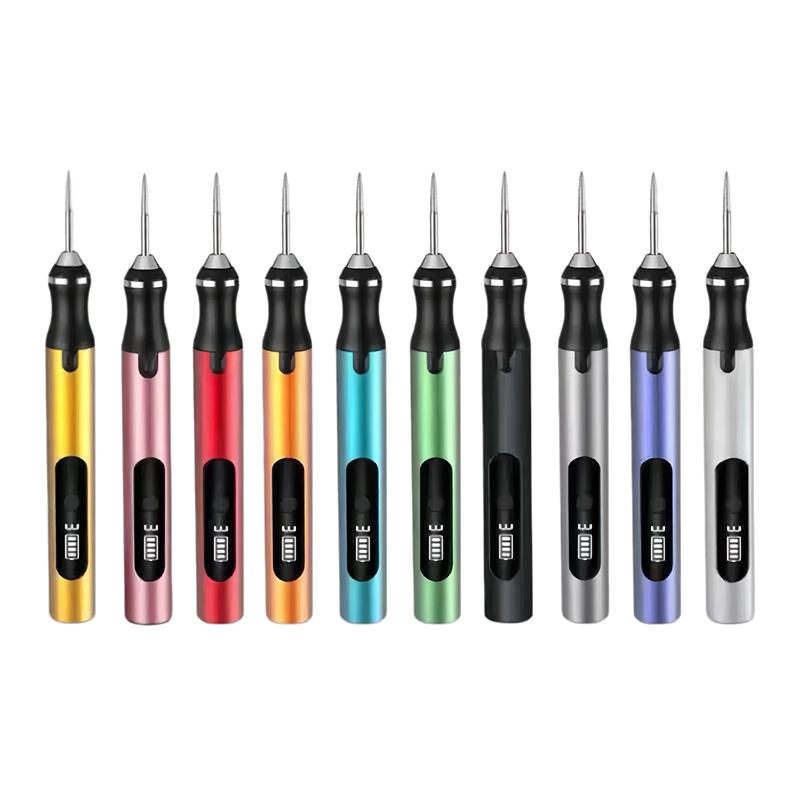
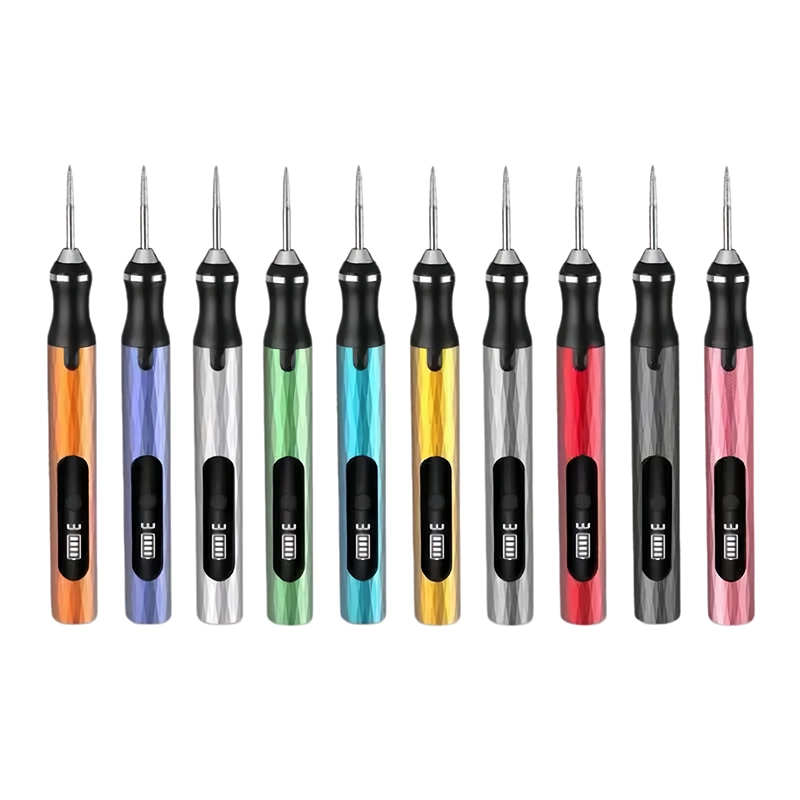
Logo Customization Logo methods may include: Laser engraving Pad printing Silk-screen printing UV printing Branded labels The correct method depends on the housing material, logo color, durability requirement, and order quantity. Product Color Housing color can help brands create a recognizable product line. Buyers should confirm: Color reference Surface finish Button color Accessory case color Packaging color consistency A physical sample is more reliable than approving colors only through a screen.
Packaging Customization OEM packaging may include: Printed retail box Storage case Inner tray User manual Warranty card Barcode label SKU label Export carton For e-commerce channels, packaging should protect the tool and prevent accessories from moving during transportation. Product Specification Adjustments Depending on the product platform and MOQ, buyers may discuss: Speed settings Battery capacity Charging interface Button design LED indicators Accessory layout Storage structure Deeper structural changes may require ODM development rather than standard OEM production.
OEM vs Private Label vs ODM Mini Rotary Tools
Cooperation Model Product Structure Branding Engineering Support Best For Standard Product Fixed Supplier brand or unbranded Limited Trial orders Private Label Existing Buyer logo and packaging Limited Faster market launch OEM Existing or modified Buyer branding Specification-based Established brands ODM Redesigned or newly developed Buyer branding Strong New product development An OEM project is usually the best choice when the buyer has clear specifications but does not need a completely new structure.
How to Evaluate an OEM Mini Rotary Tool Manufacturer
Manufacturing Capability Ask whether the supplier directly controls: Motor sourcing PCB assembly Housing production Final assembly Performance testing Packaging Direct manufacturing control normally improves communication and repeat-order stability. Engineering Support A professional supplier should be able to explain: Motor selection Speed control Heat management Battery configuration Accessory compatibility Product limitations A supplier that only provides price and photos may not be suitable for a long-term OEM project.
Quality Management Important inspection stages include: Incoming Material Inspection The factory should inspect: Motors Batteries PCBs Switches Housings Charging cables Accessories In-Process Inspection Production teams should monitor: Motor installation Electrical connections Button assembly Shaft alignment Charging function Housing fit Finished Product Testing Testing may include: Speed stability Motor noise Vibration Temperature rise Charging Runtime Continuous operation Appearance Packaging Inspection Inspectors should verify: Correct logo Correct accessories Manual Barcode Retail box Carton marks
Sample Approval Checklist
Before bulk production, the sample should include the final product and packaging. Buyers should check: Tool appearance Housing color Logo position Speed adjustment Motor noise Vibration level Heat generation Battery runtime Charging function Accessory quality Storage security Packaging protection The approved sample and specification sheet should become the quality reference for production and future orders.
MOQ and Production Planning
MOQ depends on the customization level. A standard logo and packaging project usually has a lower development requirement than: Custom housing Special battery New speed-control system Unique storage case New mold development Before confirming an order, buyers should ask about: Sample cost Logo MOQ Packaging MOQ Custom color MOQ Production lead time Packaging lead time Inspection schedule Shipping preparation Clear planning helps avoid delays after artwork or sample approval.
Main OEM Cost Factors
The final quotation may be affected by: Motor specification Speed range Battery capacity Accessory quantity Accessory quality Storage case Logo method Packaging printing Manual languages Certification requirements Testing standards Order quantity Buyers should request a quotation based on a written specification rather than comparing only basic unit prices.
Common Buying Mistakes
Choosing the Lowest Price A lower price may result from weaker motors, lower-quality batteries, unstable speed control, or poor accessories. Adding Too Many Accessories A large accessory count can increase cost and packaging size without improving practical value. Skipping a Branded Sample A standard sample cannot confirm the final logo, packaging, labels, color, and accessory arrangement. Ignoring Temperature and Vibration Excessive heat and vibration can reduce user comfort and product life.
Failing to Lock Specifications The approved motor, battery, PCB, housing, accessories, and packaging should be documented to protect repeat-order consistency.
ToolQeen OEM Mini Rotary Tool Support
ToolQeen supports OEM mini rotary tool projects through: Product selection Logo customization Color options Accessory configuration Packaging development Sample approval Quality inspection Bulk production Export packaging Brands and distributors can submit their target market, order quantity, preferred configuration, and packaging requirements through the Contact Us page.
Key Takeaways
An OEM mini rotary tool should be configured around its target application. Stable motor performance is more important than exaggerated specifications. Accessories should be selected for usefulness rather than quantity. A complete branded sample should be approved before production. Written specifications protect quality across repeat orders. ToolQeen supports OEM tool projects from configuration to bulk delivery.
FAQ
What is an OEM mini rotary tool? An OEM mini rotary tool is produced according to a buyer’s approved specifications and sold under the buyer’s brand. The buyer can customize branding, colors, accessories, packaging, manuals, and selected product features. What can be customized? Common options include logo, housing color, accessory combinations, speed settings, charging method, storage case, retail box, manual, barcode, and carton markings.
Are OEM mini rotary tools suitable for Amazon sellers? Yes. Amazon sellers can customize packaging, branding, accessory organization, manuals, and barcode labels to create a retail-ready product. What accessories should be included? The correct combination depends on the target application. Engraving, polishing, grinding, sanding, drilling, and cutting each require different accessories. Should buyers request a sample?
Yes. A branded sample helps confirm product performance, logo quality, color, packaging, accessories, charging, vibration, and user experience. How are mini rotary tools tested? Common tests include speed stability, motor noise, vibration, temperature rise, battery runtime, charging, continuous operation, appearance, and accessory inspection. What information is needed for a quotation? Buyers should provide the product type, quantity, target market, speed requirements, battery preference, accessory list, logo, packaging needs, certifications, and delivery destination.
Can ToolQeen support OEM mini rotary tool projects? Yes. ToolQeen supports product configuration, branding, packaging, accessories, sample approval, quality testing, and bulk production for global buyers.
Conclusion
An OEM mini rotary tool gives brands, distributors, and e-commerce sellers a practical way to launch customized precision power tools without creating their own factory. Successful OEM sourcing depends on clear specifications, useful accessories, stable performance, branded sample approval, and consistent quality control. ToolQeen supports OEM mini rotary tool projects from product selection and customization to inspection, packaging, and bulk production.
Technical review
Checked against current ToolQeen product and factory materials.
Use this guide to prepare better sourcing questions. Confirm final specifications, quantities, documents and lead times for the selected model and market.
Related product platforms