Electric screwdriver
ODM Screwdriver Kit: How Brands Develop Custom Precision Repair Solutions
Develop an ODM screwdriver kit with custom design, precision bits, accessories, packaging, prototype testing, QC, and bulk production support.
Published 2026-07-15 · Reviewed by the ToolQeen product and quality team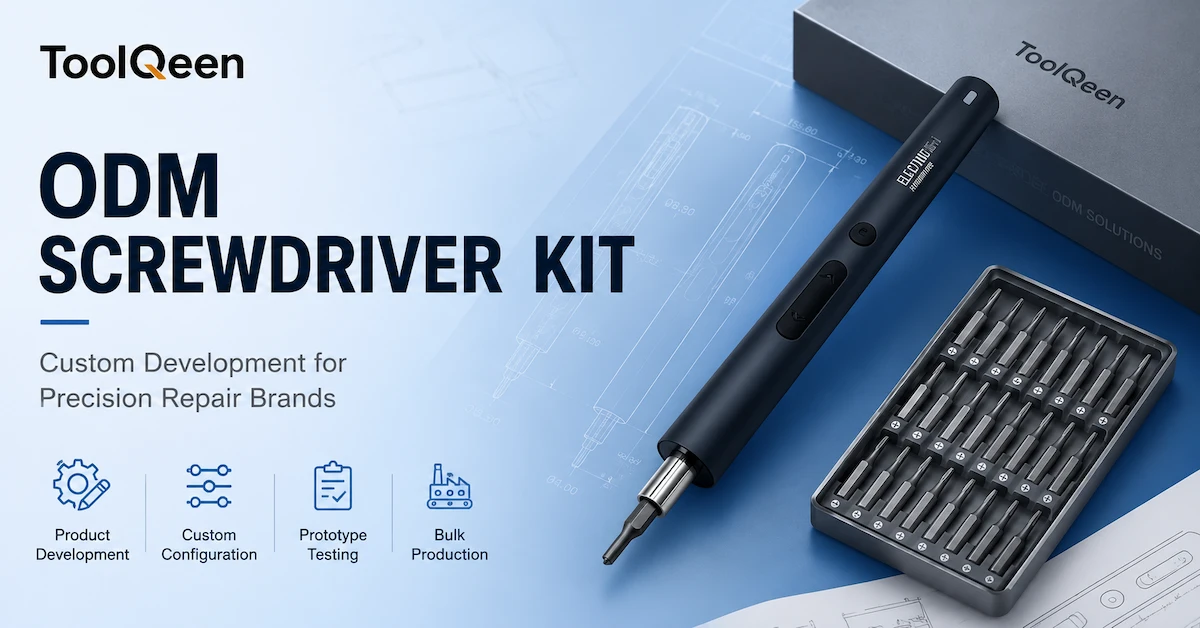
An ODM screwdriver kit allows brands to create unique repair tool solutions with support from an experienced manufacturer. Unlike standard purchasing, ODM cooperation involves product planning, engineering suggestions, configuration optimization, prototype development, testing, and mass production. For tool brands, electronics repair suppliers, distributors, and e-commerce companies, ODM manufacturing provides a way to develop products that better match their target markets.
A successful screwdriver kit is not simply a larger box of accessories. It requires careful decisions about screwdriver type, bit configuration, user applications, storage structure, packaging design, product positioning, and quality standards. ToolQeen supports ODM repair tool development, precision screwdriver kits, electric screwdriver platforms, accessory configuration, packaging solutions, prototype testing, and bulk manufacturing.
Buyers can learn more about ToolQeen’s production capability through the About Us page.
Quick Answer
A reliable ODM screwdriver kit manufacturer should provide product concept support, engineering optimization, prototype development, accessory planning, packaging design, testing, and stable production. Before starting an ODM project, buyers should confirm target users, repair applications, screwdriver specifications, bit requirements, accessories, packaging, testing standards, MOQ, and production schedule.
Why Brands Choose ODM Screwdriver Kits
Many companies want to launch their own repair tool products but do not have internal engineering teams. An ODM partner can help transform an idea into a market-ready product. ODM Advantages Include: Product development support Engineering recommendations Structural optimization Accessory planning Prototype creation Performance testing Packaging development Production management Quality control Compared with standard products, ODM screwdriver kits allow brands to create stronger differentiation.
Compared with fully independent development, ODM reduces technical risk and development time.
Who Needs ODM Screwdriver Kit Development?
Repair Tool Brands Brands can create unique product lines with: Different kit sizes Custom accessories Unique packaging Brand-specific features Market-specific positioning Electronics Repair Suppliers Repair suppliers may need kits designed specifically for: Smartphones Laptops Tablets Cameras Drones Game consoles Smart devices E-Commerce Brands Online sellers often require: Attractive packaging Clear product positioning Optimized accessory combinations Lower return risks Strong customer reviews Professional Service Companies Repair chains and service centers may need: Stable specifications Reliable performance Long-term supply Customized configurations Buyers can explore ToolQeen’s Products page for electric screwdrivers, precision repair tools, and screwdriver kit solutions.
ODM vs OEM vs Private Label Screwdriver Kits
Type Main Focus Factory Role Suitable Buyers Private Label Branding existing products Production and packaging Fast product launch OEM Manufacturing according to requirements Produces buyer specifications Established brands ODM Product development and optimization Design, improve, and manufacture Companies creating new products ODM provides the highest level of factory involvement before mass production.
Step 1: Define Product Requirements
The buyer provides: Target market Customer type Product positioning Expected price range Main applications Quantity forecast Branding requirements The manufacturer evaluates feasibility and provides recommendations.
Step 2: Product Concept Development
Engineers review: Screwdriver structure Tool size Handle design Accessory combination Storage solution Production feasibility The goal is to create a product that is functional, manufacturable, and suitable for the market.
Step 3: Kit Configuration Planning
A professional ODM screwdriver kit should balance usability and cost. Possible configurations include: Precision Electronics Kit Suitable for: Phone repair Laptop repair PCB maintenance Camera repair Components: Precision bits Tweezers Pry tools Magnetic holder Small screw accessories Professional Technician Kit Suitable for: Repair centers Industrial maintenance Service companies Components: Larger bit selection Extended bits Electric screwdriver Manual backup handle Storage case Premium Brand Kit Suitable for: High-end retail Professional tool brands Components: Custom case Premium materials Custom packaging Branding elements Additional accessories
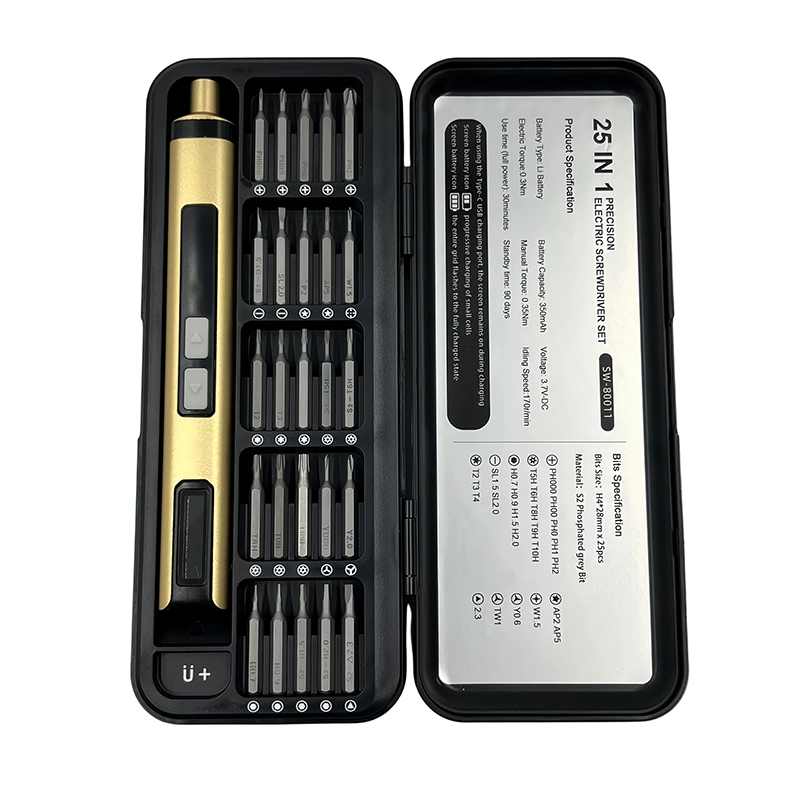
Recommended Product Platform: 67-in-1 Electric Precision Screwdriver Set
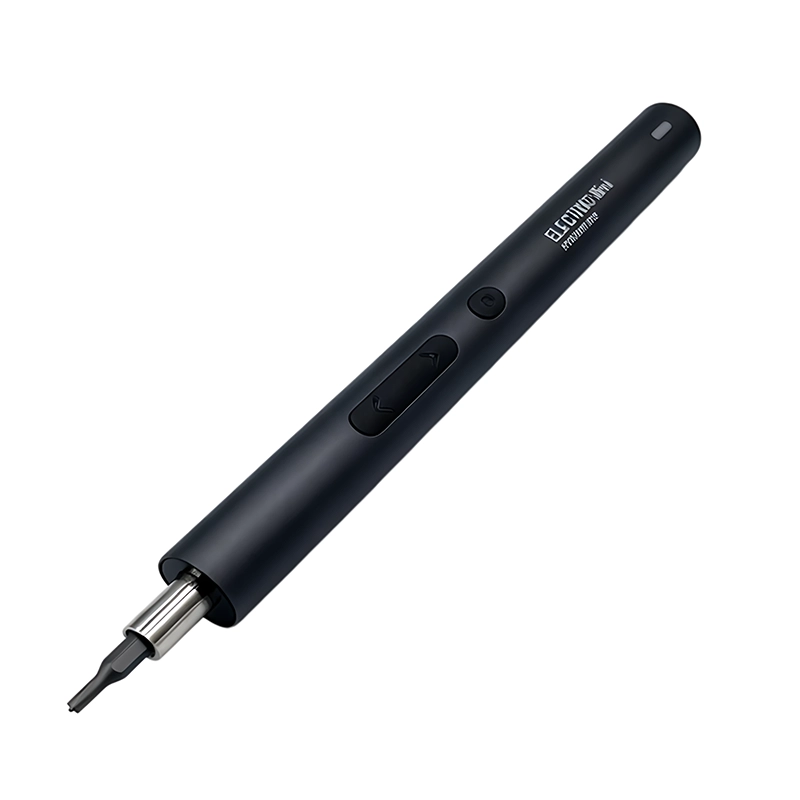
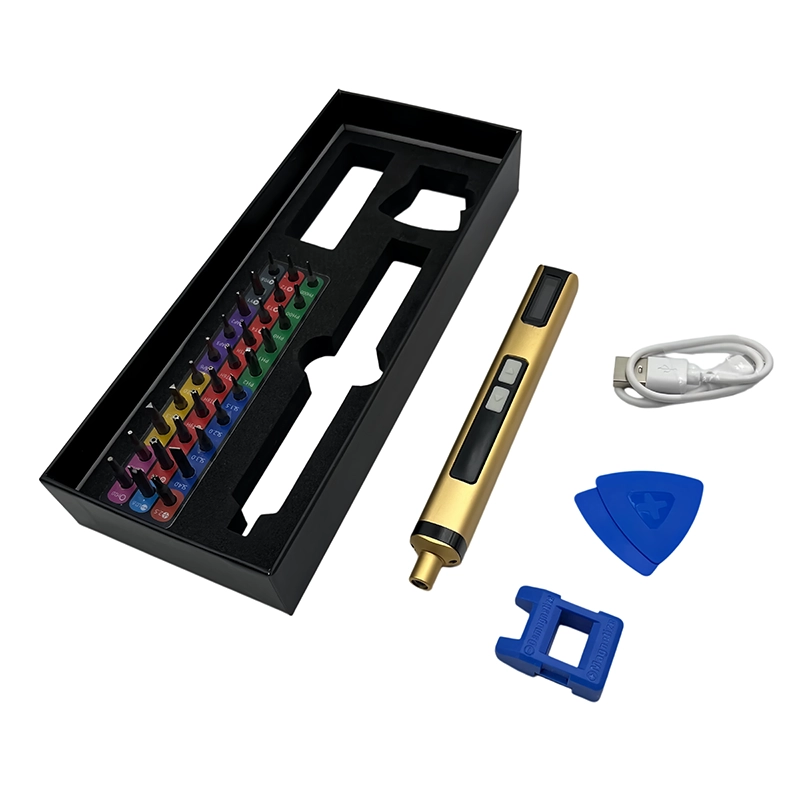
ToolQeen’s 67-in-1 Electric Precision Screwdriver Set can serve as a development platform for ODM screwdriver kit projects. The platform includes: Electric and manual operation Precision torque control S2 steel bits Magnetic storage LED lighting Type-C charging Multiple repair accessories Compact storage case For ODM customers, the kit can be adjusted through: Bit configuration Accessory selection Packaging design Product color Logo placement Manual customization Storage layout
1. Screwdriver Design
Possible adjustments: Housing appearance Product color Button design LED position Grip structure Charging interface Weight balance
2. Bit Configuration
ODM buyers can customize: Bit quantity Bit types Security bits Extended bits Material requirements Label system Common materials include: S2 steel bits Precision-machined tips Anti-corrosion coatings
3. Accessory Design
Possible accessories: Tweezers Pry tools Magnetizer Suction cup Cleaning tools Screw storage tray Charging accessories
4. Storage Case Development
The storage system affects: User experience Product appearance Shipping protection Retail value Customization options include: Case material Inner tray Bit layout Accessory placement Brand elements
5. Packaging Development
ODM packaging may include: Retail box User manual Product cards Barcode labels Warranty card Export cartons
How to Evaluate an ODM Screwdriver Kit Manufacturer
Before cooperation, buyers should evaluate: Engineering Capability Check: Product development experience Design support Prototype capability Improvement suggestions Technical communication Manufacturing Capability Check: Production equipment Assembly process Material control Testing process Production capacity Quality Management Check: Incoming inspection Torque testing Battery testing Bit inspection Packaging inspection Final product testing
ODM Prototype Testing Checklist
Before mass production, buyers should test: Product Performance Torque accuracy RPM stability Motor noise Charging performance Battery runtime Button operation LED function Tool Quality Bit hardness Screw fit Magnetic hold Shaft stability Handle comfort User Experience Storage convenience Accessory organization Product appearance Packaging usability
ODM Production Timeline Planning
A typical ODM project includes: Requirement Stage Define: Product goals Target users Configuration Budget Development Stage Complete: Engineering review Prototype Testing Improvement Approval Stage Confirm: Final sample Packaging Labels Production documents Manufacturing Stage Execute: Material preparation Assembly QC inspection Packing Shipment
Common ODM Buying Mistakes
Mistake 1: Starting Without a Clear Product Goal Without a defined customer group, the kit may become expensive but difficult to sell. Mistake 2: Adding Too Many Accessories More components do not always mean higher value. Useful accessories create better customer satisfaction. Mistake 3: Skipping Prototype Testing ODM projects require testing before production. Problems discovered after mass production are expensive to correct.
Mistake 4: Choosing a Factory Without Development Ability A supplier that only assembles products may not provide enough support for ODM projects. Mistake 5: Ignoring Future Product Expansion A good ODM partner should support future models, accessories, and product series.
ODM Quality Control Process
A reliable ODM manufacturer should control: Material Inspection Check: Motors Batteries PCB components Bits Plastic parts Packaging materials Assembly Inspection Check: Component installation Electrical connections Torque settings Charging function Finished Product Inspection Check: Appearance Performance Accessories Packaging Labels Pre-Shipment Inspection Confirm: Quantity Cartons Documents Product consistency
Pros and Cons of ODM Screwdriver Kits
Pros Higher product differentiation Professional engineering support Custom configurations Better market positioning Long-term product development Stronger brand value Cons Longer development time Higher initial investment More testing stages Higher MOQ than standard products Requires clear communication
ToolQeen ODM Support
ToolQeen supports ODM screwdriver kit projects through: Product concept discussion Engineering optimization Prototype development Configuration planning Packaging design Quality testing Bulk production Export support Buyers can submit project requirements through the Contact Us page.
Recommended Applications
ODM screwdriver kits are suitable for: Electronics repair brands Professional repair centers Tool distributors Amazon brands Industrial service companies Hardware retailers Private-label businesses Global repair solution providers
Key Takeaways
ODM screwdriver kits help brands create differentiated repair solutions. Successful projects require product planning, engineering support, and testing. The right accessory configuration is more important than maximum piece count. Prototype approval reduces production risks. Quality control should cover materials, assembly, performance, and packaging. ToolQeen supports ODM projects from concept development to bulk manufacturing.
FAQ
1. What is an ODM screwdriver kit? An ODM screwdriver kit is developed with manufacturer support, where the factory participates in product design, engineering optimization, configuration planning, prototype development, and production. It allows brands to create customized repair tool solutions without building their own manufacturing system. 2. What can be customized in an ODM screwdriver kit? Customization may include screwdriver appearance, torque settings, bit combinations, accessories, storage case design, packaging, manuals, labels, and product positioning.
The customization level depends on project requirements, technical feasibility, order quantity, and development budget. 3. How long does ODM screwdriver kit development take? Development time depends on product complexity, prototype requirements, testing stages, packaging design, and approval speed. Simple kit adjustments require less time, while new structures and features need additional engineering and validation. 4.
What is the difference between ODM and OEM screwdriver kits? OEM focuses on manufacturing according to buyer specifications, while ODM includes deeper factory involvement in product development, design improvement, and engineering solutions. ODM is suitable for brands creating new products or differentiated tool lines. 5. Can ToolQeen develop custom screwdriver kits? Yes. ToolQeen supports ODM screwdriver kit projects including product optimization, accessory configuration, packaging solutions, sample testing, quality inspection, and bulk manufacturing.
6. What should buyers prepare before starting an ODM project? Buyers should prepare target customers, applications, expected quantity, price positioning, required features, packaging expectations, and market information. Clear requirements help the manufacturer create better product solutions. 7. Why is prototype testing important? Prototype testing identifies problems with torque, battery, bits, accessories, packaging, and user experience before mass production.
It reduces production risks and helps ensure the final product meets market expectations. 8. Can ODM projects support future product expansion? Yes. A capable ODM partner can help develop additional screwdriver models, accessories, packaging variations, and product series based on future market needs. For more sourcing and customization information, visit ToolQeen’s FAQ page.
Conclusion
A successful ODM screwdriver kit combines product design, engineering support, practical accessories, reliable performance, and professional manufacturing. For brands that want to create unique repair tool products, ODM provides a balanced path between standard sourcing and complete independent development. ToolQeen supports ODM screwdriver kit projects with product planning, engineering optimization, prototype testing, customization, quality control, and bulk production.
Contact ToolQeen to discuss your product concept, target market, and development requirements.
Technical review
Checked against current ToolQeen product and factory materials.
Use this guide to prepare better sourcing questions. Confirm final specifications, quantities, documents and lead times for the selected model and market.
Related product platforms