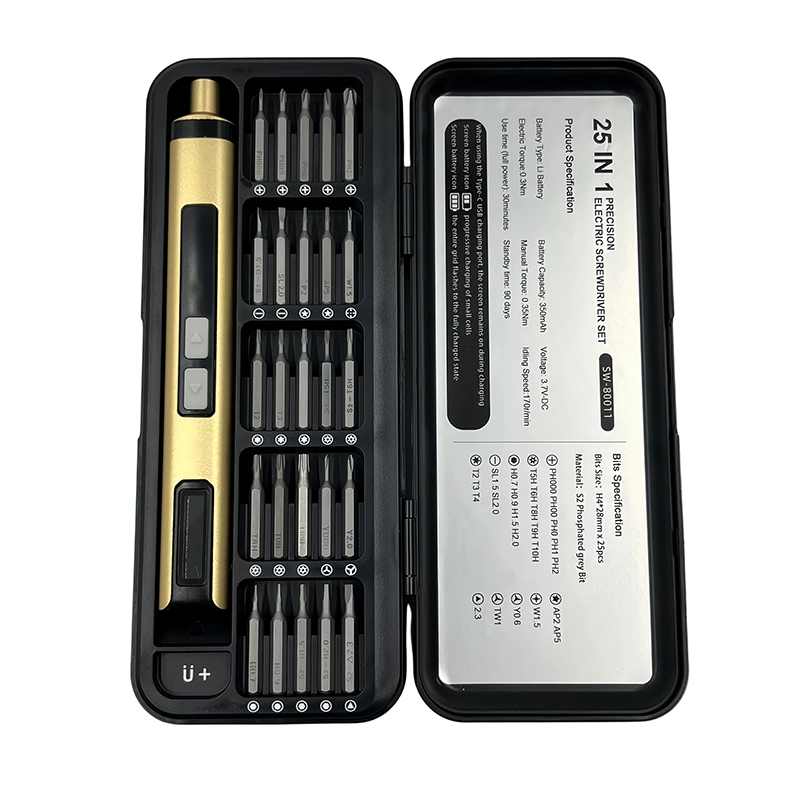
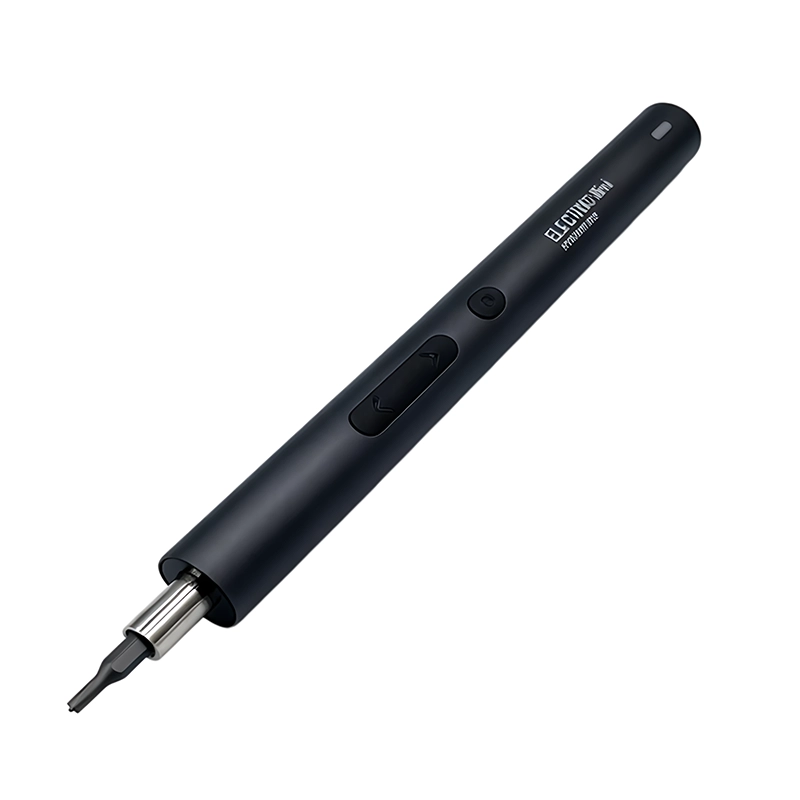
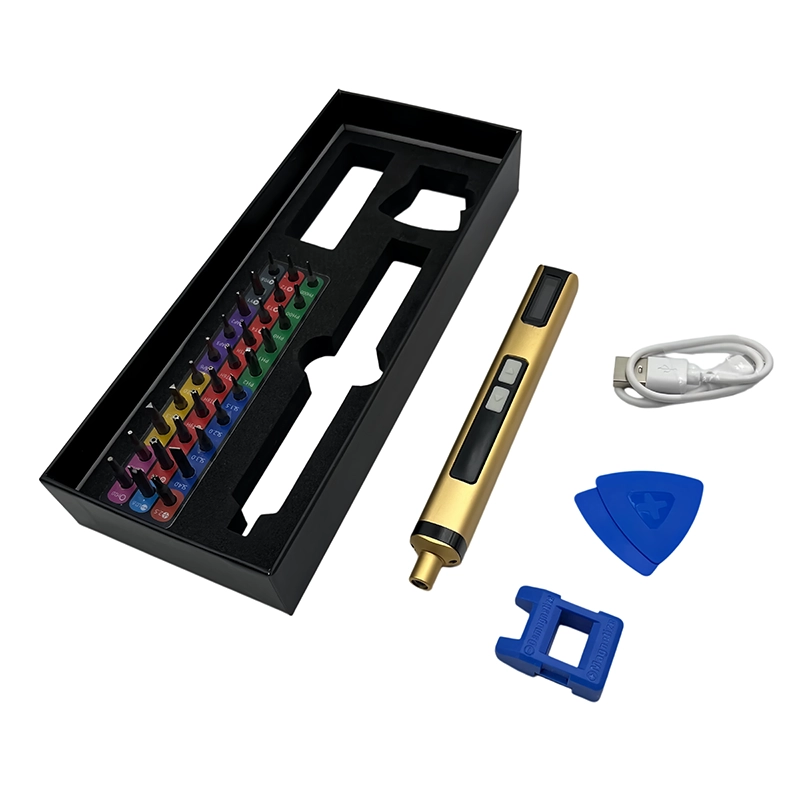
Electric screwdriver
How We Improved Electric Screwdriver Quality Control From 4.5% To 1.2% Defect Rate
Discover how an electric screwdriver factory improved QC systems, reduced defect rate from 4.5% to 1.2%, and improved OEM efficiency for global buyers.
Published 2026-06-22 · Reviewed by the ToolQeen product and quality team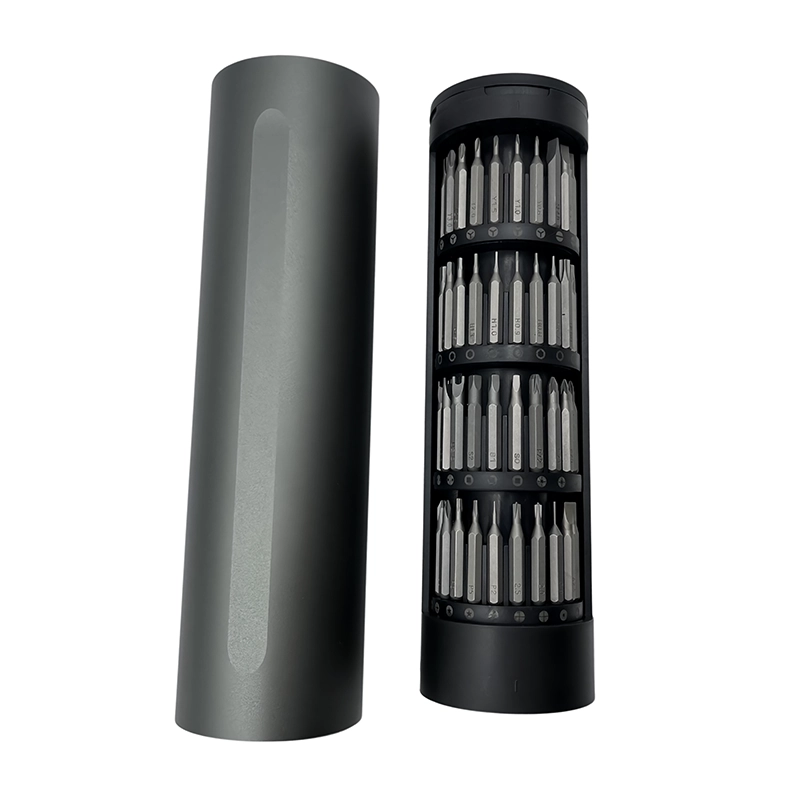
🏭 How We Improved Electric Screwdriver Quality Control From 4.5% To 1.2% 🔧 Quick Answer We reduced electric screwdriver defect rates from 4.5% to 1.2% by upgrading torque calibration systems, improving battery aging testing, standardizing assembly processes, and introducing stricter final inspection procedures across all OEM production lines. 🏭 The Problem We Faced Before improvement, we had: Inconsistent torque output Battery instability in some batches Variation in assembly precision Higher return rate from OEM clients 👉 The biggest issue was not design — it was process control.
⚙️ Step 1: Upgrading Torque Calibration System We redesigned torque testing to include: Multi-stage load testing Continuous torque monitoring Batch-level verification 👉 Result: torque stability significantly improved 🔋 Step 2: Battery Aging Test Optimization We introduced: Full charge/discharge cycles Heat resistance simulation Long runtime verification 👉 Result: battery failure rate dropped sharply 🧲 Step 3: Motor Stability Standardization We improved: RPM consistency control Vibration reduction process Motor inspection tolerance limits 👉 Result: smoother product performance 🏭 Step 4: Assembly Process Control We standardized: Screw tightening force Internal wiring layout Component alignment rules 👉 Result: reduced human error 📦 Step 5: Final Inspection Upgrade We added: 100% functional testing Random batch re-check system Packaging verification audit 👉 Result: shipment defect rate reduced 📊 Final Result Comparison Metric Before After Defect Rate 4.5% 1.2% Return Rate High Low Torque Stability Medium High OEM Satisfaction Medium High Production Consistency Unstable Stable 🌍 Why This Matters For OEM Buyers For importers and distributors, this improvement means: Lower warranty cost More stable product quality Fewer customer complaints Higher brand trust Better long-term supply stability 🧠 Factory Insight In electric screwdriver manufacturing, most quality issues are not caused by design — but by: Weak QC systems Inconsistent assembly Poor battery testing Lack of process standardization 👉 Process control is the real key.
📌 Application Scenarios OEM electric screwdriver production Private label tool brands Industrial repair tool kits Amazon and eCommerce sellers Distributor supply chains ❓ FAQ Why do electric screwdriver defect rates increase? Because of weak QC systems and inconsistent assembly processes. What is the most important QC process? Torque calibration and battery aging testing. How can factories reduce defect rates? By standardizing production and strengthening final inspection.
What does 1.2% defect rate mean? It means high production stability and low OEM risk. Can ToolQeen provide OEM quality control reports? Yes, full QC documentation is available. 📩 Request A Quote Looking for a stable electric screwdriver factory with low defect rate? Contact ToolQeen for OEM production, private label solutions, and factory-direct supply. 🏭 About ToolQeen ToolQeen specializes in electric screwdrivers, precision tools, and OEM manufacturing solutions for global importers, distributors, and private label brands.
🔗 Explore Our Products https://www.toolqeen.com/products 📘 Learn More About ToolQeen https://www.toolqeen.com/about-us 🧠 Reviewed By ToolQeen Engineering Team This article is based on internal manufacturing improvements, QC system optimization, and OEM production experience.
Technical review
Checked against current ToolQeen product and factory materials.
Use this guide to prepare better sourcing questions. Confirm final specifications, quantities, documents and lead times for the selected model and market.
Related product platforms