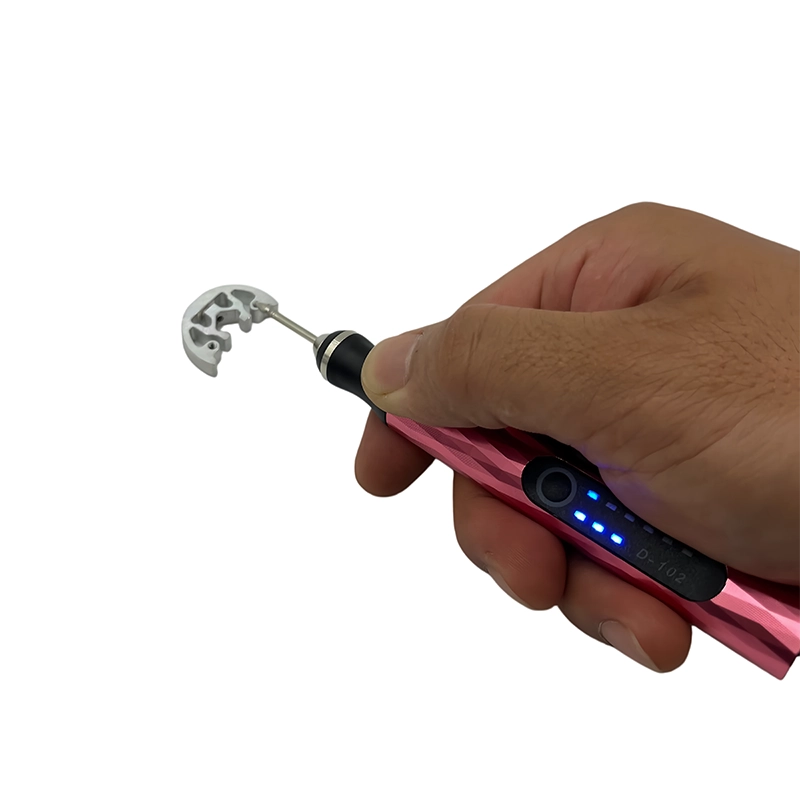
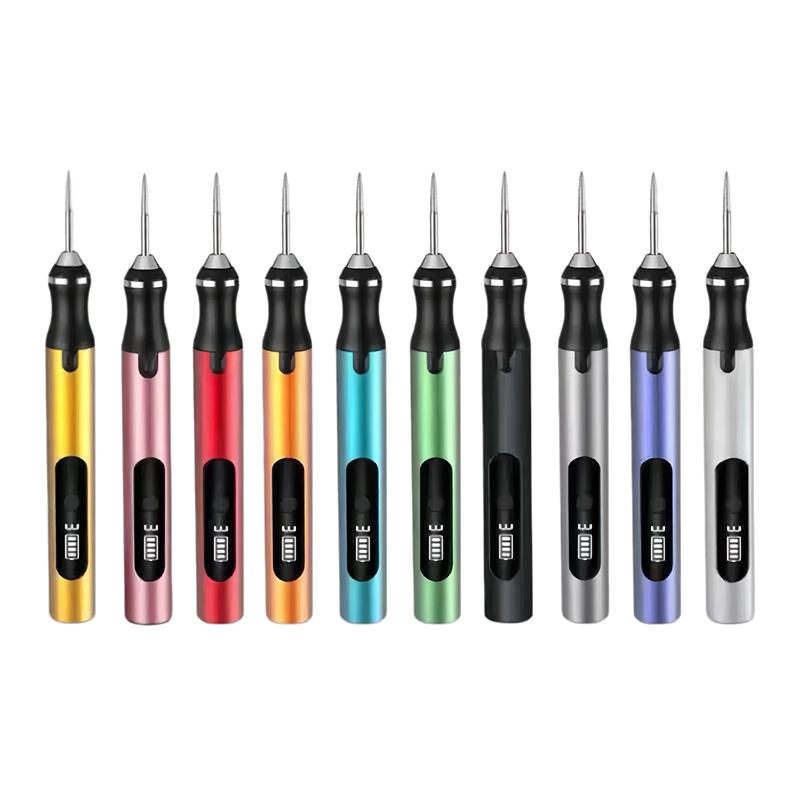
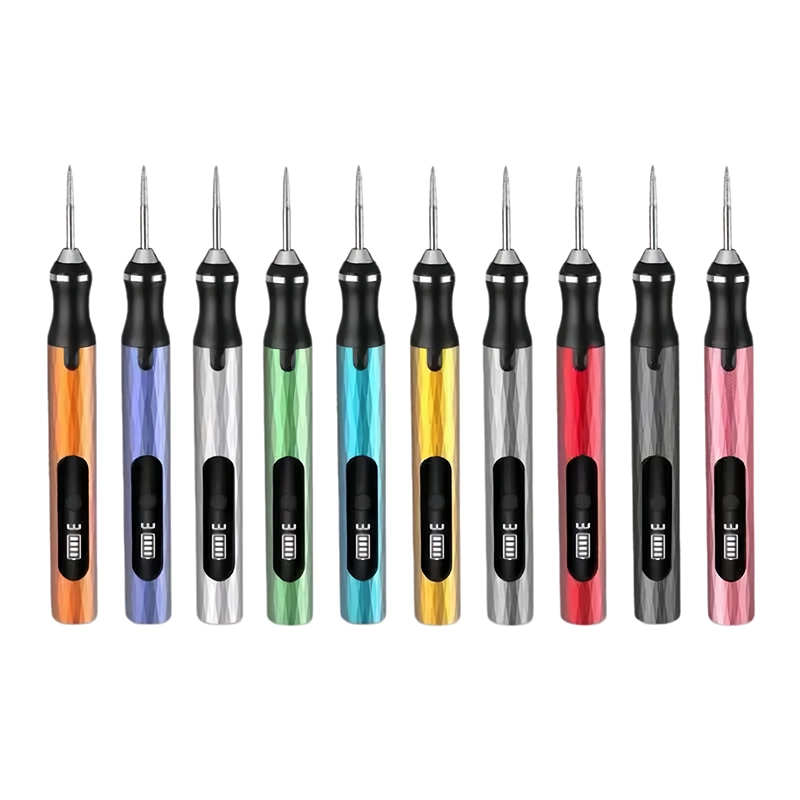
Electric Rotary Tool
Electric Rotary Tool Supplier: How US Buyers Validate RPM, Runout, and Private-Label QC
Compare electric rotary tool suppliers with a B2B checklist for RPM stability, runout, accessories, private-label packaging, MOQ, and repeat-batch QC.
Published 2026-08-21 · Reviewed by the ToolQeen product and quality team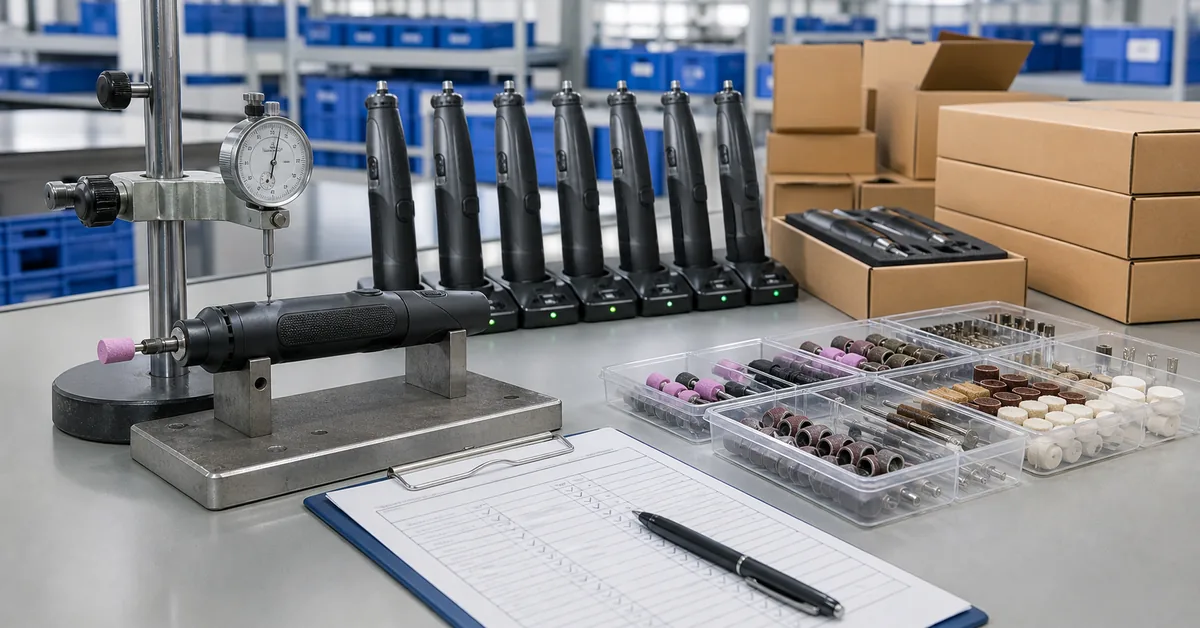
Quick Answer
When choosing an electric rotary tool supplier, US importers should validate speed stability under load, collet runout, accessory fit, battery behavior, private-label packaging, and repeat-batch inspection. The lowest quotation is rarely the safest buying decision if a sample and a reorder do not deliver the same tool feel, accessories, and shelf-ready presentation. Start with the ToolQeen product catalog, compare the electric rotary tool pen, then send your market, kit configuration, packaging brief, and estimated quantity through the RFQ contact page.
Buyers should validate the complete rotary-tool program, not only the sample unit.
Why RPM and Runout Belong in the RFQ
A compact rotary tool may look similar across catalogs, but repair, engraving, sanding, and small finishing applications expose important differences. RPM that drops sharply under normal load can leave rough work; a collet that does not hold accessories concentrically can create wobble, premature accessory wear, and poor operator confidence. Ask the supplier to document the model, accessory shank sizes, speed range, test condition, and sample configuration.
This makes the approved sample measurable instead of relying on a product photo or a headline maximum RPM.
B2B Validation Checklist Before the First PO
Check Buyer evidence to request Commercial impact Speed stability Short running video or QC record under a stated load Fewer complaints about weak cutting or inconsistent finish Runout and collet grip Accessory-fit check and a runout review on the approved collet Less wobble, less accessory loss, better repair-channel trust Battery and charging Runtime test basis, charger specification, and final-charge inspection point Lower post-sale support cost Private-label packaging Approved artwork, insert, barcode, carton mark, and pre-shipment photo Consistent shelf and marketplace presentation Repeat-batch QC Inspection checklist tied to the approved sample and packing specification Safer replenishment planning
Turn the Sample Into a Repeatable Specification
The best supplier conversation turns the sample into a controlled specification: motor and speed setting, collet and accessory list, battery and charger version, logo location, insert language, carton quantity, and inspection points. This is consistent with the process-control emphasis in ISO 9001 quality-management guidance and the manufacturing resources published by NIST. Private-label QC should cover performance, accessories, artwork, and final carton presentation.
How ToolQeen Supports Private-Label Rotary Tool Programs
ToolQeen supports OEM, ODM, wholesale, and private-label programs that need a practical route from sample review to repeat order. Buyers can align the rotary tool, accessory bundle, product labeling, packaging, and inspection checklist before committing to a larger purchase order. For a deeper inspection discussion, see Factory QC for Electric Rotary Tools and the ToolQeen manufacturing background.
Buyer FAQ
What is the first thing to verify with an electric rotary tool supplier? Verify that the quoted model, speed range, collet, accessories, and battery configuration match the sample you are approving. How should buyers assess runout? Request an accessory-fit and runout check using the intended collet and shank size, then record the accepted sample condition in the buying specification. Can private-label packaging be controlled before a bulk order?
Yes. Approve the artwork, insert, barcode, carton mark, and final packing photos as part of the pre-shipment checklist. Why is repeat-batch QC important? It protects the promise made by the approved sample and helps limit returns, marketplace review risk, and costly rework after replenishment.
CTA
Planning an electric rotary tool program for the US market? Send ToolQeen your application, target price range, accessory list, packaging requirements, and quantity plan. We can help you compare configurations and define QC checkpoints before mass production.
Technical review
Checked against current ToolQeen product and factory materials.
Use this guide to prepare better sourcing questions. Confirm final specifications, quantities, documents and lead times for the selected model and market.
Related product platforms