Electric Rotary Tool
Electric Rotary Tool Buying Guide: Fewer Returns for US Amazon Repair Tool Sellers
Rough finishes trigger returns? Electric rotary tool buying guide buyers should check QC, MOQ, lead time, packaging, OEM/private label, reviews, accessories.
Published 2026-08-04 · Reviewed by the ToolQeen product and quality team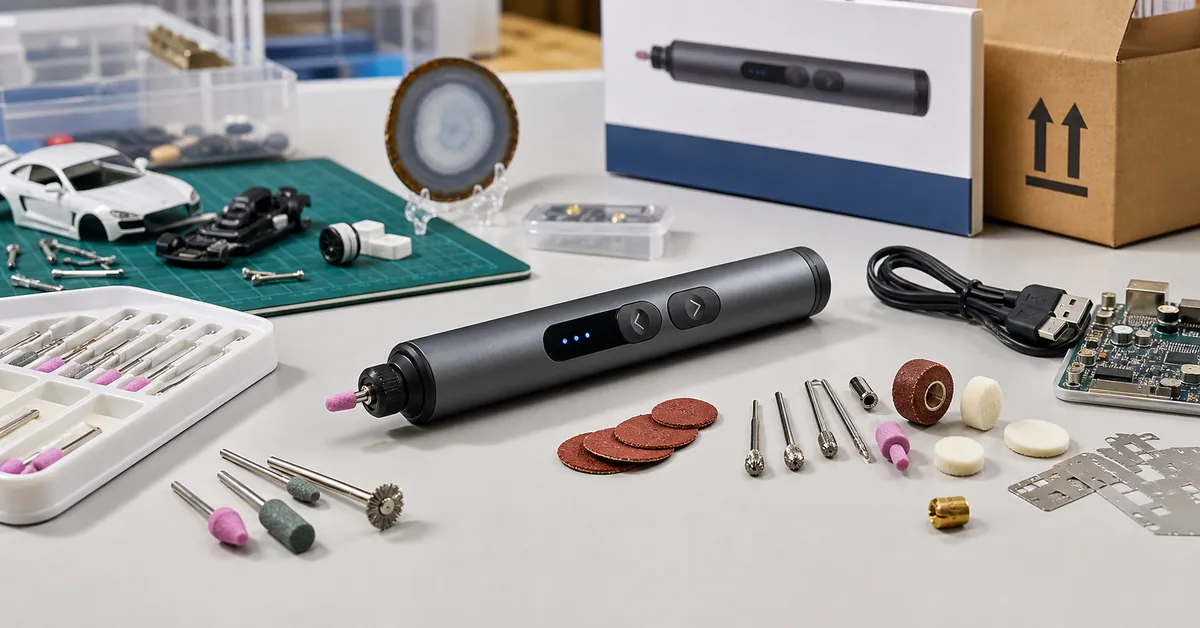
US repair tool sellers can lose reviews when a compact rotary tool looks useful in photos but creates rough finishes, weak accessory performance, unstable speed, vibration complaints, or confusing packaging after launch. Amazon buyers, independent-store customers, and repair shop technicians judge the product by daily work: can it polish, trim, engrave, and finish small parts without feeling cheap or unpredictable? This electric rotary tool buying guide explains what US sellers should verify before private-label or bulk orders.
ToolQeen builds compact electric rotary tool pens and precision repair tools for B2B buyers who need OEM/ODM support, sample confirmation, accessory planning, packaging review, and repeatable QC. The right decision is not only choosing the fastest motor. Buyers need a product program that matches the target application, protects reviews, and makes replenishment easier.
Quick Answer
An electric rotary tool buying guide for US sellers should start with speed stability, vibration/runout control, accessory quality, battery/runtime behavior, packaging clarity, MOQ, lead time, and supplier QC. A compact rotary tool for repair, craft, jewelry, model making, or electronics finishing should be tested with real materials before bulk orders. The safest supplier is the one that can repeat the approved sample, document inspections, and support OEM/private-label packaging without overpromising performance.
Definition: What Is an Electric Rotary Tool?
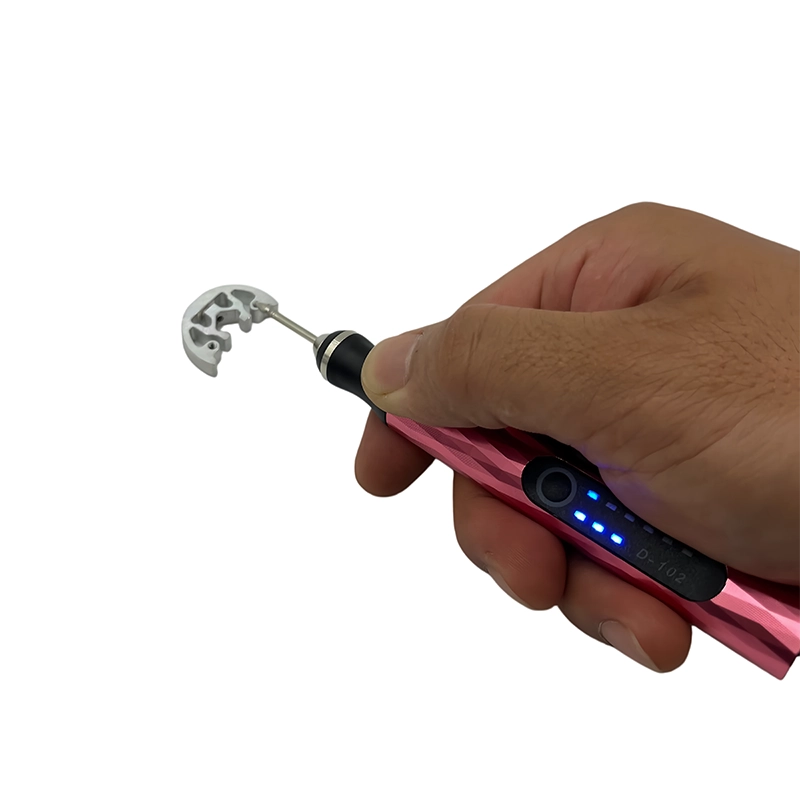
An electric rotary tool is a compact high-speed handheld tool used with small accessories for engraving, polishing, grinding, sanding, trimming, cutting, and detailed finishing work. ToolQeen's electric rotary tool pen product line is designed for electronics repair, jewelry processing, model making, DIY craft work, and precision finishing tasks where a bulky tool is harder to control. For B2B buyers, the product is more than a motor and a set of grinding heads.
It includes the tool body, speed control, battery and charging behavior, collet fit, accessory specification, packaging structure, manual wording, QC documentation, and reorder consistency. These details decide whether a US seller gets confident reviews or avoidable returns.
Why This Buyer Guide Matters for US Sellers
Online Reviews Punish Rough Results Many rotary tool complaints start with practical use: the tool vibrates, accessories wobble, polishing is uneven, the motor feels weak, or the packaging does not match the listing. A few reviews like that can lower conversion even if the listing images are strong. For Amazon and independent-store sellers, the buying guide should reduce those risks before the first shipment. Repair Shops Need Control and Speed Repair shops use compact rotary tools for PCB edge finishing, plastic trimming, small part polishing, housing adjustment, and delicate surface cleanup.
If speed is unstable or the tool is uncomfortable, technicians slow down. A seller targeting repair channels should test the tool on actual repair materials, not only on a blank table. Packaging Affects Private-Label Trust US customers expect the tool, accessories, charging cable, instructions, and storage layout to make sense when they open the box. A clear private-label package can reduce missing-accessory complaints and improve listing photo quality.
A weak package can make a good tool feel low value before the customer even uses it.
Technical Explanation: What Buyers Should Compare
Speed Range and Stability Speed affects how the tool cuts, polishes, engraves, and trims. ToolQeen's H102 electric rotary tool pen product reference lists no-load speed up to 30,000 rpm with 5-level digital speed control, which helps buyers position the tool for detailed repair and finishing work. The key question is whether speed remains stable under realistic accessory load. Vibration, Runout, and Collet Fit A compact rotary tool can look correct but still feel unstable if the accessory does not run straight.
Runout and vibration affect finish quality, user control, and perceived quality. Buyers should ask how the factory checks collet fit, shaft behavior, accessory seating, and vibration before packing. Battery, Charging, and Runtime The H102 reference lists a 600mAh battery, Type-C charging, about 60 minutes charging time, and about 120 minutes runtime. These numbers are useful for product positioning, but US buyers should still confirm the sample under real use.
Runtime during polishing or trimming can differ from no-load operation, especially when users apply pressure or switch accessories frequently. Measurement Discipline When buyers compare speed, torque, vibration, and runout data, the factory should use controlled measuring tools rather than vague "stable quality" language. For sourcing teams building internal QC checklists, NIST's guidance on measurement traceability is a useful reference for why controlled measurement matters in manufacturing decisions: NIST measurement traceability.
Factory Insight: How ToolQeen Supports Electric Rotary Tool Buyers
ToolQeen is Shenzhen ToolQeen Technology Co., Ltd., a Shenzhen-based precision tool manufacturer founded in 2016. The company supports electric rotary tool pens, electric screwdrivers, manual precision tools, ratchet screwdriver sets, and OEM/ODM tool kits for global B2B buyers. For electric rotary tools, ToolQeen reviews the target market, application, accessory list, packaging expectations, quantity, sample needs, and inspection requirements before mass production.
A US Amazon seller may need high-conversion packaging and fewer returns. A repair tool distributor may need reliable replenishment and technician-ready accessory kits. A private-label brand may need a more differentiated color, manual, kit layout, and carton plan. Buyers can review the broader ToolQeen precision tool product range and the dedicated electric rotary tools category when comparing model direction, accessory positioning, and OEM/ODM project fit.
Real Manufacturing Data for Buyer Decisions
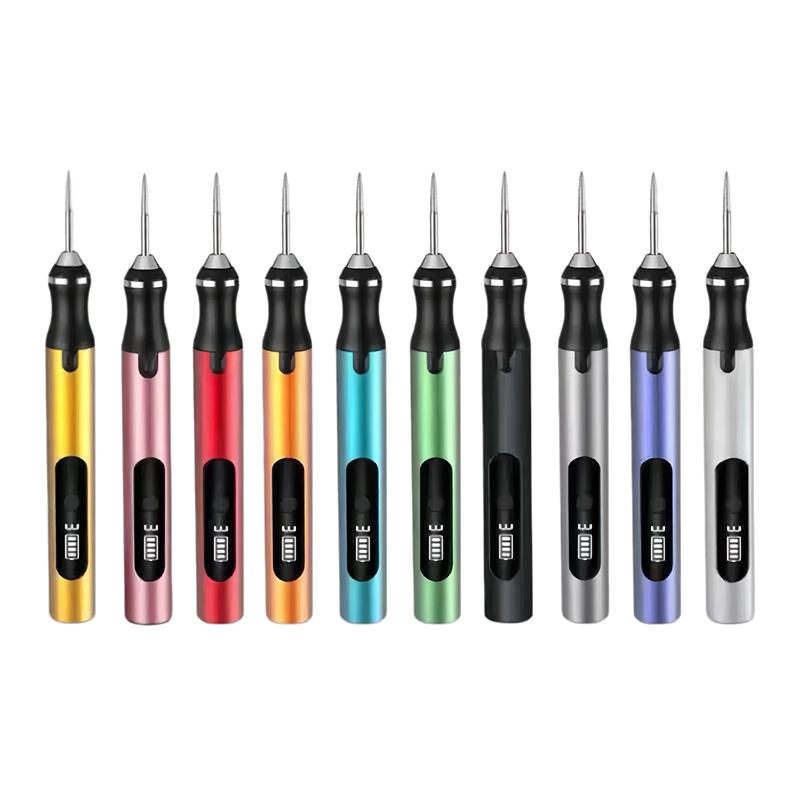
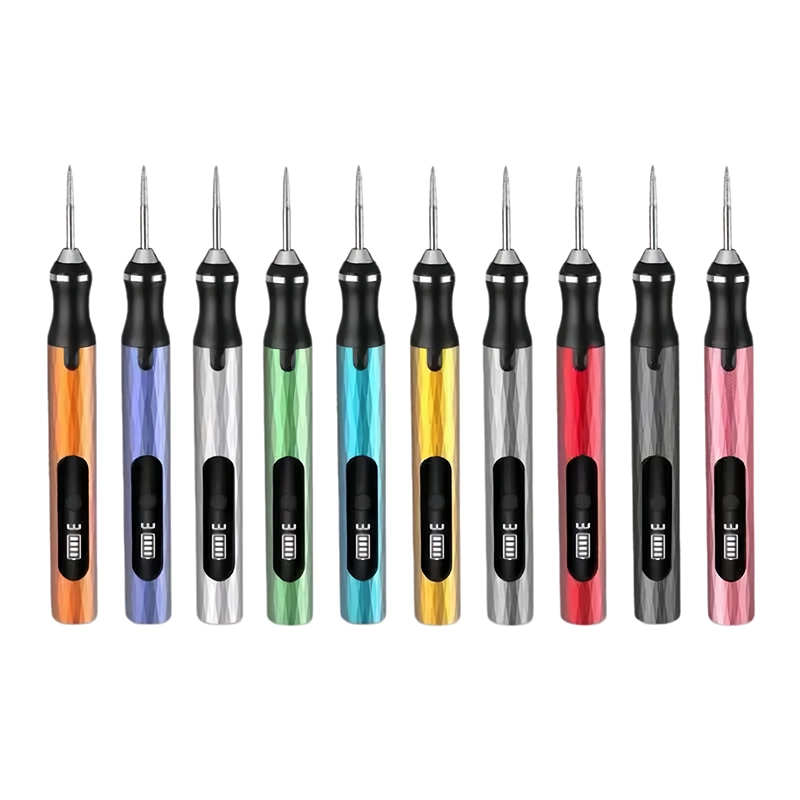
ToolQeen's electric rotary tool pen reference includes a 136 x 18 mm compact body, 59 g net weight, 230 g.cm electric torque, 30,000 rpm no-load speed, hollow cup motor, 600mAh battery, Type-C charging, 5V-1A charging input, about 60 minutes charging time, about 120 minutes runtime, 5-level digital display speed control, and a 30-piece accessory set with 2.35 x 45 mm grinding heads. From a buyer's perspective, these specifications support several high-conversion use cases: electronics repair, model making, jewelry processing, DIY craft projects, metal polishing, plastic trimming, and precision finishing.
They also create practical sample questions. Can the accessory set match the target listing? Does the speed control feel clear for beginners? Does packaging explain the intended use without exaggeration? Can the factory repeat the same body finish and accessory mix on reorder? ToolQeen's commercial planning data also helps procurement teams. OEM MOQ starts from 500 pcs, ODM MOQ starts from 1,000 pcs, standard samples are usually prepared in 3-5 days, standard production often takes about 10-15 days, and custom orders may take about 15-25 days depending on configuration, packaging, quantity, and project complexity.
Quality Control Process Buyers Should Request
Incoming Inspection IQC should cover motors, batteries, PCBs, charging components, collets, accessory heads, plastic parts, and metal parts. A weak accessory or inconsistent collet can create the same customer complaint as a weak motor because the user experiences both as poor performance. In-Process Monitoring IPQC should confirm assembly accuracy, speed control behavior, accessory fit, charging response, and process parameters.
This matters when a buyer wants repeatable private-label products rather than one good sample. Final Function and Appearance Checks FQC should test tool function, speed response, vibration feel, appearance, noise, charging behavior, and accessory completeness. Buyers should ask what sample size and pass criteria the factory uses before shipment. Reliability and Aging Checks Reliability review can include continuous run checks, battery performance checks, drop review, high/low temperature review, and accessory use testing depending on project requirements.
The goal is to reduce hidden defects that appear only after customers start using the tool. Pre-Shipment Packaging Inspection Pre-shipment checks should verify box integrity, barcode labels, carton marks, accessory count, charging cable, manual placement, and random sampling. For US e-commerce sellers, packaging inspection is part of return control because missing accessories and unclear instructions directly affect reviews.
How to Test Samples Before a US Launch
Use Real Materials Test the sample on plastic trimming, PCB edge cleanup, model parts, metal polishing samples, and small craft surfaces. If the tool is promoted for electronics repair, do not approve it based only on jewelry polishing. If it is promoted for craft kits, test the accessories that craft users actually expect. Check the Accessory Mix A large accessory count is not automatically better. Buyers should confirm whether grinding heads, sanding drums, polishing wheels, and collet sizes match the target audience.
Too many weak accessories can create more complaints than a smaller, better-planned kit. Review Listing Claims and Packaging Together Amazon listing copy, box claims, manual wording, and insert cards should describe the same product promise. If the listing suggests heavy-duty cutting but the kit is designed for precision finishing, returns are more likely. ToolQeen can help align product configuration and packaging before mass production.
Buyer Checklist Before Bulk Orders
Define the target buyer: Amazon customer, independent-store buyer, repair shop technician, jewelry seller, model maker, or wholesale distributor. Confirm speed control, vibration, runout, collet fit, accessory quality, battery behavior, and charging details. Test samples on real materials from the target application. Review accessory count, accessory usefulness, tray layout, charging cable, manual, and packaging accuracy.
Ask about OEM MOQ, ODM MOQ, sample time, production lead time, and reorder capacity. Request the QC process for incoming inspection, in-process checks, final function tests, aging, and pre-shipment sampling. Approve private-label packaging only after checking barcode labels, carton marks, accessory count, and customer expectation wording.
US Application Scenarios That Convert
Amazon Repair Tool Listings For Amazon sellers, the product page should show the tool, accessories, common uses, packaging, and realistic finishing results. A compact rotary tool can support high-intent searches when the listing explains electronics repair, model making, polishing, trimming, and craft use clearly. Independent Store Tool Lines Independent-store sellers can build stronger storytelling around private-label packaging, repair use, accessory quality, and factory QC.
The article, product page, and email follow-up can all reinforce the same message: this tool is selected for controlled finishing work, not random low-cost accessories. Repair Shop Bulk Replenishment Repair shop distributors need products that technicians trust after repeated use. Stable speed, low vibration, useful accessories, clear charging, and predictable replenishment help turn a first order into repeat orders.
FAQ
What should buyers check first in an electric rotary tool buying guide? Start with speed stability, vibration/runout, collet fit, accessory quality, battery/runtime, packaging, MOQ, lead time, and QC process. These factors affect returns and reviews more than a simple accessory count. What is a good speed for a compact electric rotary tool? ToolQeen's H102 reference lists up to 30,000 rpm with 5-level digital speed control.
Buyers should test whether the speed range matches the material and application, because polishing, trimming, engraving, and grinding may need different control. Can ToolQeen customize electric rotary tools for private label? Yes. ToolQeen supports logo customization, packaging design, color customization, private-label production, accessory configuration, manuals, labels, and bulk OEM orders for electric rotary tools.
What is the MOQ for OEM and ODM rotary tool projects? ToolQeen's OEM MOQ starts from 500 pcs, and ODM MOQ starts from 1,000 pcs. The final requirement depends on model, packaging, color, accessory set, and customization depth. How long do samples and production take? Standard samples are usually prepared in 3-5 days. Standard production often takes about 10-15 days, while custom orders may take about 15-25 days depending on quantity and customization.
How can US sellers reduce returns on rotary tool kits? Test samples on real materials, choose a practical accessory mix, verify speed and vibration, align packaging claims with real use, request documented QC, and lock the approved sample before mass production.
CTA: Prepare a Safer Electric Rotary Tool Order
If you are building a US Amazon listing, independent-store product line, repair shop supply program, or private-label rotary tool kit, send ToolQeen your target market, expected quantity, accessory requirements, packaging needs, and sample testing concerns. ToolQeen can help compare configurations, confirm MOQ and lead time, review packaging options, and define QC checks before bulk production.
Summary
This electric rotary tool buying guide gives US sellers a practical way to reduce return risk before ordering: verify speed stability, vibration/runout, accessory quality, battery behavior, packaging, OEM/private-label support, MOQ, lead time, and QC documentation. The best buying decision is the one that protects customer expectations from sample approval through repeat replenishment. ToolQeen supports electric rotary tool buyers with product selection, OEM/ODM service, sample confirmation, five-stage QC, packaging review, and export-ready manufacturing support.
Learn more about ToolQeen manufacturing: https://www.toolqeen.com/about-us. Browse precision tool products: https://www.toolqeen.com/products.
Technical review
Checked against current ToolQeen product and factory materials.
Use this guide to prepare better sourcing questions. Confirm final specifications, quantities, documents and lead times for the selected model and market.
Related product platforms