Buyer guides
Build a Ratchet Tool Kit Around Real Repair Tasks
Choose a ratchet kit's bit selection, reach, adapters and storage layout from the fasteners and access conditions users actually encounter.
ToolQeen · Updated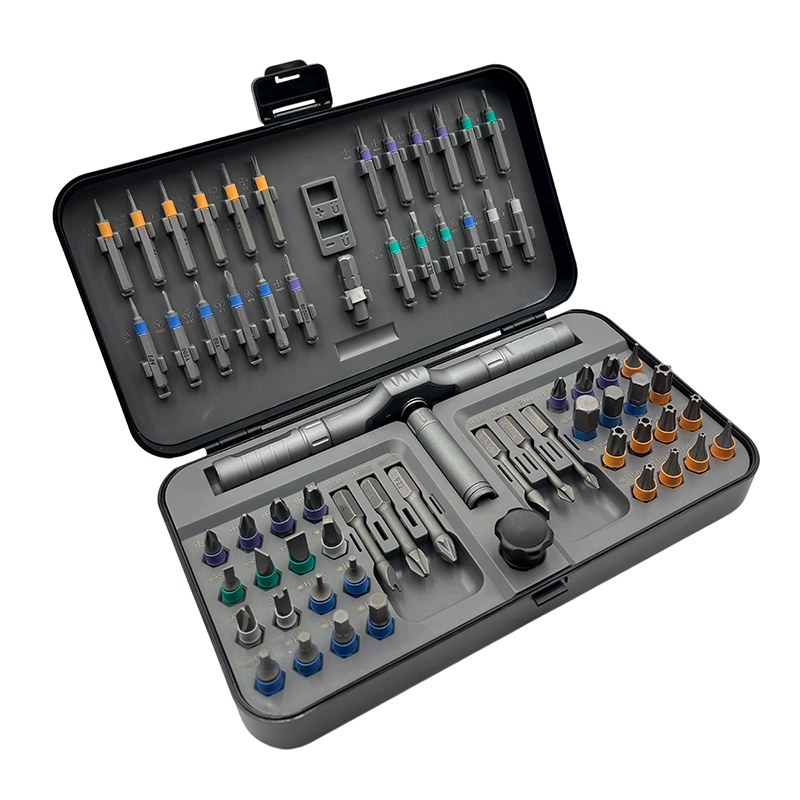
Map tasks to kit positions
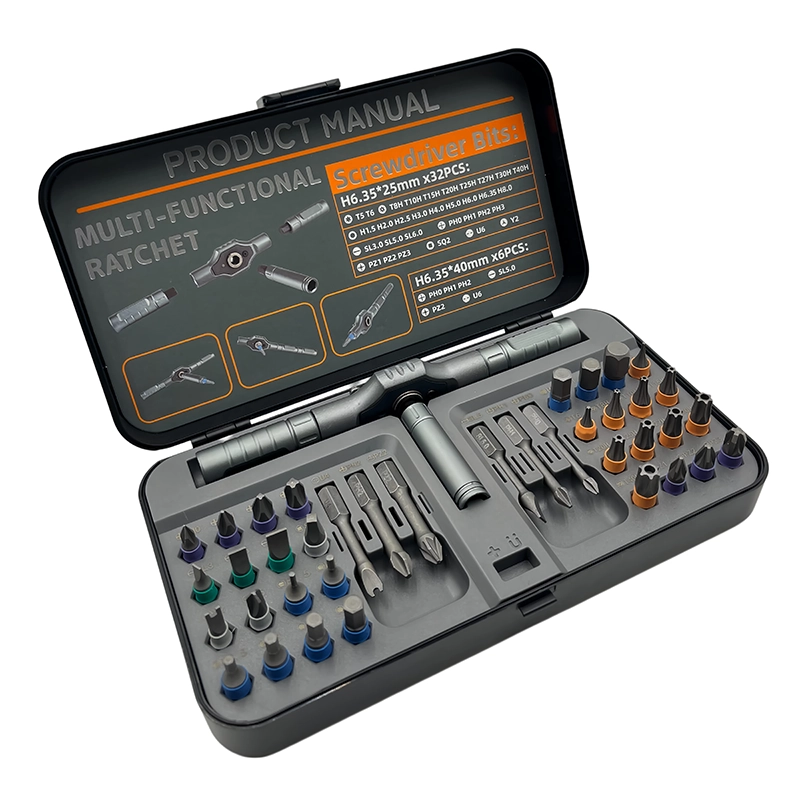
List the equipment being serviced and the fastener profiles, sizes and access depths it uses. Mark which tasks occur frequently and which require an occasional accessory. This creates a practical bill of materials for the kit. A larger advertised piece count can include adapters or duplicate pieces, so compare the itemised contents rather than the number printed on the case.
Check the complete access chain
Confirm the interface from the ratchet holder through any extension or adapter to the bit. Measure the assembled length and the widest part that must enter the work area. Each connection needs adequate retention and documented compatibility. Check any model-specific restrictions on extensions or loading; an accessory that fits physically should not automatically be treated as approved for every use.
Make storage support the job
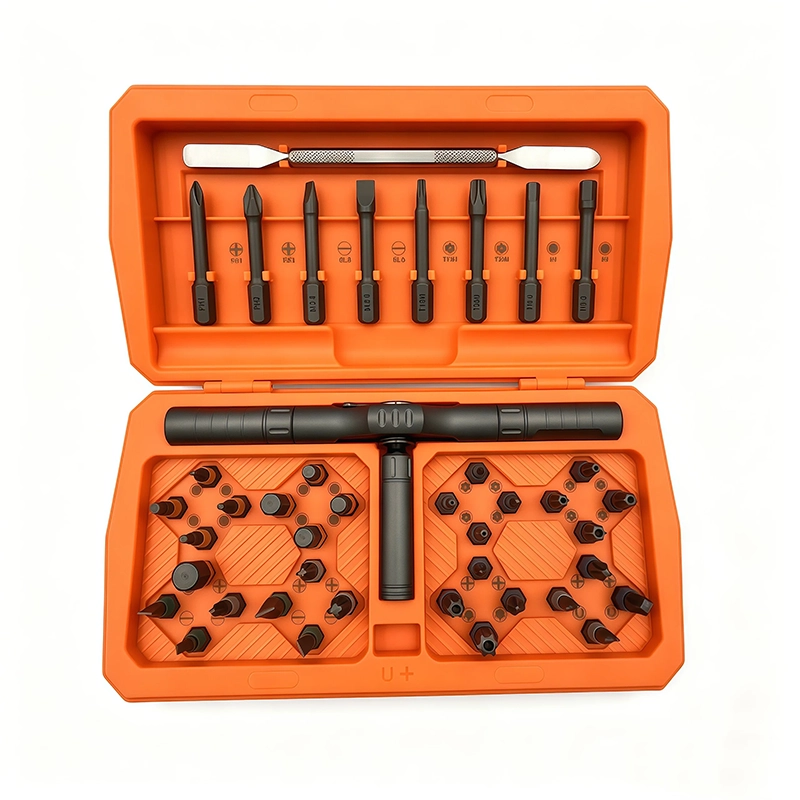
Arrange frequently used bits so their size markings remain readable and missing pieces can be noticed. Ask users to remove and replace components with the kit in its normal working position. Check that transport does not mix similar sizes or release small pieces. For a branded kit, approve the tray layout, contents list and instructions together; a packaging drawing alone cannot confirm that each supplied component fits its assigned position.
Pilot the configuration before ordering volume
Give the proposed kit to the intended users with a defined task list. Record absent sizes, unnecessary components, access problems and replacement needs. Revise the configuration before approving production and retain the approved bill of materials. ToolQeen lists several ratchet kit formats; compare their actual contents and ask which bit, case or branding changes are available for the intended order.
Should every kit contain an extension?
Include one when the mapped tasks require its reach and the interfaces and use limits are confirmed. An unused adapter can add complexity without solving a user need.
How should replacement bits be planned?
Identify the most frequently used positions, keep their exact profile and interface specification, and agree whether they can be reordered separately before finalising the kit.
Related models and buying questions
Technical review
Checked against current ToolQeen product and factory materials.
Use this guide to prepare better sourcing questions. Confirm final specifications, quantities, documents and lead times for the selected model and market.
Related product platforms