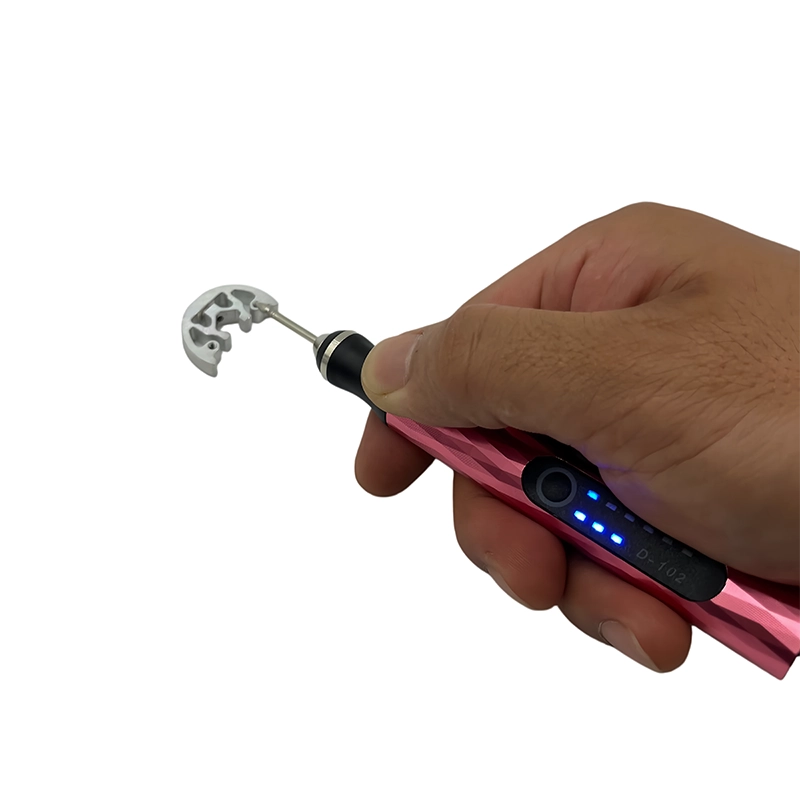
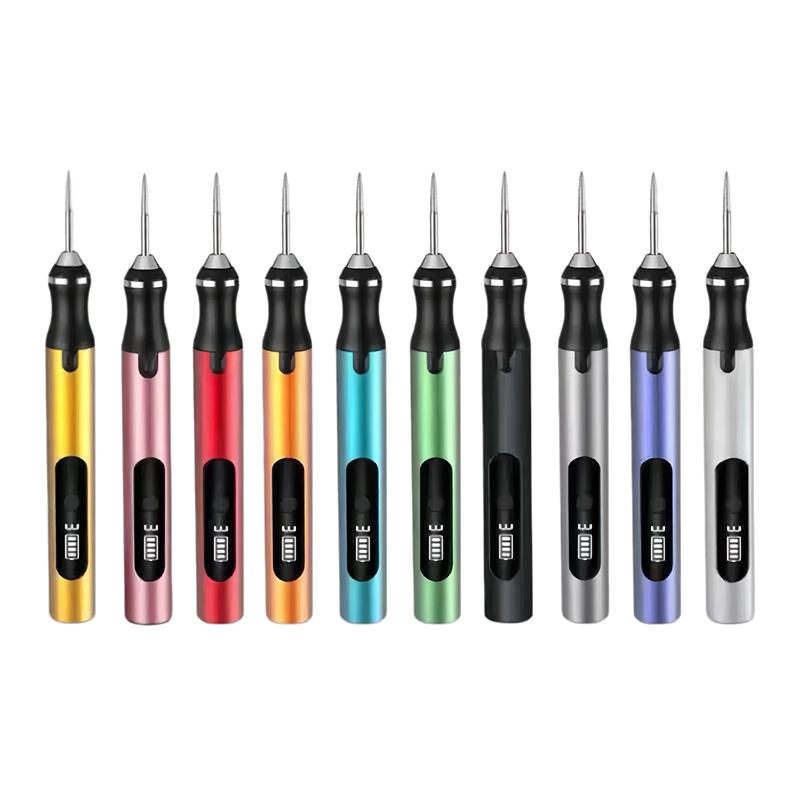
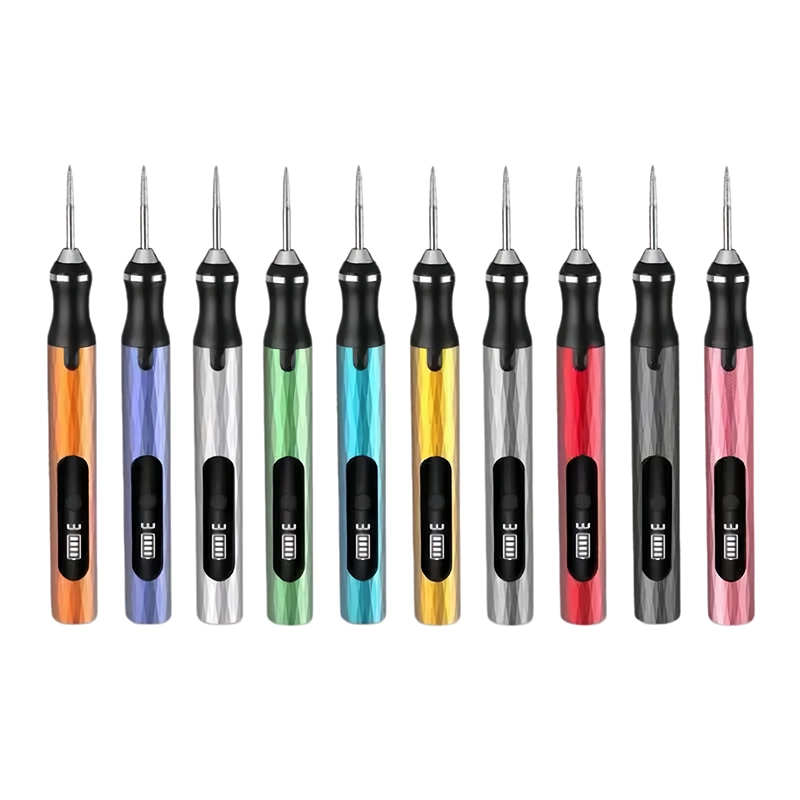
Electric Rotary Tool
Custom Rotary Grinder Pen Supplier: Packaging and QC Checks for US Sellers
Custom rotary grinder pen supplier checks for US sellers: speed stability, collet grip, OEM packaging, MOQ, and QC before bulk orders.
Published 2026-08-05 · Reviewed by the ToolQeen product and quality team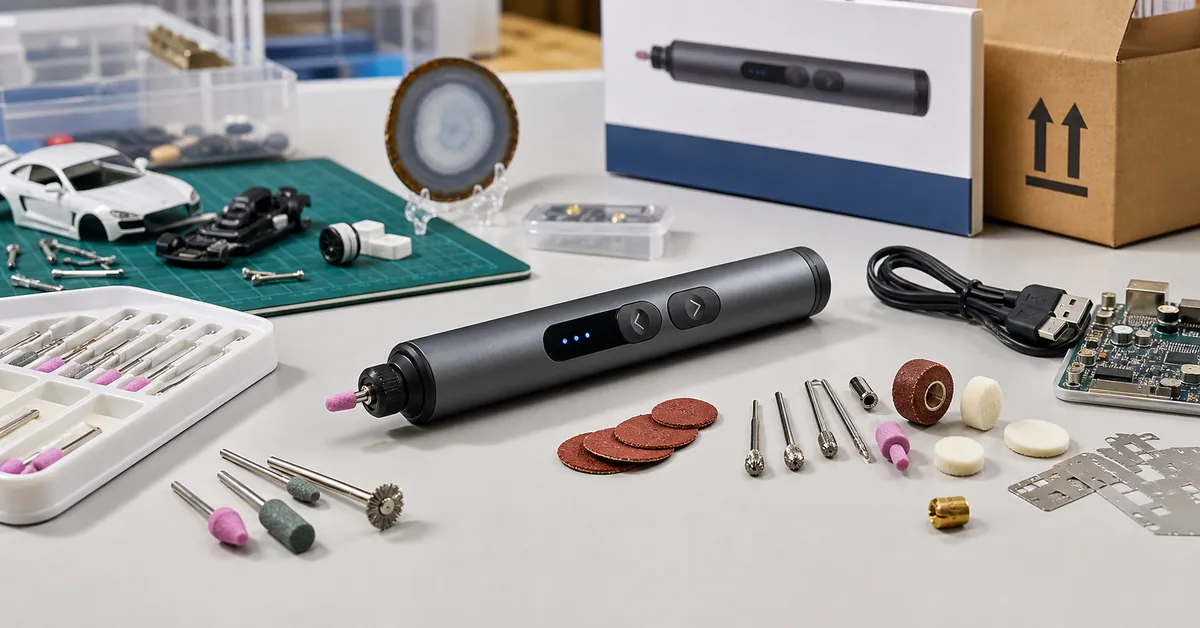
Quick Answer: US sellers should choose a custom rotary grinder pen supplier by checking speed stability, vibration control, collet grip, accessory fit, charging consistency, OEM packaging accuracy, and final QC records before placing a bulk order. For Amazon sellers, repair-tool distributors, and private-label brands, the real risk is not finding a rotary grinder pen. The risk is ordering a kit that looks acceptable in sample photos but arrives with inconsistent detailing performance, loose accessory holding, weak packaging presentation, or avoidable after-sales claims.
ToolQeen builds B2B rotary-tool programs around repeatability, practical OEM support, and packaging that fits online and retail sales. Review ToolQeen electric rotary tool options or send an OEM inquiry if you are planning a private-label or wholesale rotary grinder pen project. Rotary grinder pen programs for US sellers should connect product feel, packaging quality, and repeat-batch consistency.
Where US Seller Risk Usually Starts
Many sellers compare accessory count and price first. That is understandable, but it hides the issues that create returns later: unstable speed under load, visible vibration, weak collet tolerance, poor charging behavior, mixed accessory quality, and packaging that looks less premium than the listing images. A serious custom rotary grinder pen supplier should be evaluated as a repeat supply partner. Buyers should ask how the factory checks runout, vibration, accessory fit, logo placement, insert trays, barcode labels, carton marks, and sample-to-mass-production consistency.
What Buyers Should Check Before Bulk Orders
The working parts of a rotary grinder pen decide whether users describe it as precise or cheap after the first week of use. Buyers should review speed stability, motor heat, shaft alignment, collet grip, accessory compatibility, switch feel, charging-port durability, and housing finish. Packaging matters just as much for US online sellers. A buyer-ready kit needs correct logo placement, accessory counts that match the listing, inserts that hold parts securely, and an outer box that survives warehouse handling without making the kit look damaged on arrival.
Buyer Check Why It Matters What To Request Speed and vibration test Reduces complaints about poor detailing control. Sample video, internal QC notes, and accessory-use confirmation. OEM packaging review Improves CTR and conversion for marketplace listings. Box artwork, insert layout, barcode labels, and carton labels. Accessory consistency Protects reviews and repeat orders. Locked accessory list, count sheet, and final inspection checklist.
Why ToolQeen Fits B2B Rotary Tool Programs
ToolQeen supports OEM, ODM, private-label, wholesale, and factory-direct supply for electric rotary tool pens, rotary grinder pens, electric screwdrivers, and repair-tool kits. For US sellers, that means faster sample communication, practical packaging adjustments, and clearer quality checkpoints before a product reaches marketplace inventory or distributor shelves. Public quality-management references such as ISO 9001 quality management are useful reminders that repeatable output comes from controlled processes, not only from a good-looking sample.
Packaging and QC Workflow That Reduces Returns
The safest workflow is simple: approve the target model, lock the accessory list, confirm retail packaging, test the sample with real detailing or repair use, and document final inspection points before mass production. This keeps product performance, packaging, and listing claims aligned. For US sellers, the key QC list should cover appearance inspection, speed stability, vibration check, collet holding, accessory count, charging test, logo position, print quality, carton labeling, and final sample approval.
Good rotary-tool QC should connect motor performance, accessory accuracy, packaging control, and shipment approval.
Real Buying Case for US Marketplace Sellers
A common case is a US seller building a rotary grinder pen kit for electronics detail work, hobby use, or light repair accessories. The first quote may look competitive, but the actual risk is weak kit presentation, parts moving inside the box, or inconsistent tool feel that produces negative reviews after launch. The better approach is to approve one repeatable kit structure, confirm the accessory layout, test the rotary feel with the target accessories, and lock the packaging before bulk production.
That is how sellers reduce returns while improving listing trust.
Buyer FAQ
Can ToolQeen support custom rotary grinder pen packaging? Yes. ToolQeen can support logo direction, gift box layout, insert trays, accessory configuration, barcode labels, and private-label packaging for qualified B2B orders. What should US sellers verify before choosing a supplier? Check speed stability, vibration control, collet grip, accessory matching, charging consistency, packaging control, MOQ, lead time, and final QC reporting.
Is a low accessory-count kit sometimes better? Yes. Many marketplace sellers convert better with a cleaner, better-presented kit that matches the buyer use case instead of including extra accessories that add confusion or QC risk. What internal pages should buyers review next? Start with the ToolQeen product range and then review ToolQeen factory information before requesting a quote.
Final Recommendation and CTA
The right custom rotary grinder pen supplier should help US sellers reduce sourcing risk, protect listing quality, and support repeat orders with stable packaging and documented QC. ToolQeen combines practical rotary-tool categories, OEM support, and export-focused communication for buyers who need a repeatable B2B supply partner. Next step: send ToolQeen your target sales channel, kit structure, packaging idea, and quantity range so the team can recommend a standard model, OEM packaging plan, or private-label rotary grinder pen program.
Technical review
Checked against current ToolQeen product and factory materials.
Use this guide to prepare better sourcing questions. Confirm final specifications, quantities, documents and lead times for the selected model and market.
Related product platforms